What’s New in SOLIDWORKS Visualize 2025 and Visualize Boost

BLOG

What’s New in SOLIDWORKS Visualize 2025 and Visualize Boost

[techtips_featured_image_shortcode]

Abstract

SOLIDWORKS Visualize 2025 introduces powerful new features to streamline rendering workflows and elevate the quality of photorealistic visuals. Highlights include Fast Render mode, AI and Vulkan Ray Tracing for real-time previews, and API integration for automated rendering processes. The new Faded Ground option enhances scene composition, while updates to Visualize Boost simplify distributed rendering for faster outputs. With the discontinuation of NVIDIA Iray, the Stellar engine takes center stage, offering improved performance and compatibility. These updates make SOLIDWORKS Visualize 2025 an indispensable tool for designers and engineers, enabling faster, smarter, and more efficient rendering.


Introduction

The ability to create stunning, photorealistic visuals is no longer a luxury—it’s a necessity. Whether you’re pitching concepts to clients, crafting marketing materials, or simply refining your designs, tools like SOLIDWORKS Visualize make it all possible. With the release of SOLIDWORKS Visualize 2025, Dassault Systèmes has raised the bar, introducing innovative features designed to accelerate workflows, enhance rendering quality, and improve overall user experience. From AI-powered rendering modes to streamlined distributed rendering with Visualize Boost, this latest version empowers designers and engineers to bring their ideas to life like never before.


In this article, we’ll dive into the key enhancements of SOLIDWORKS Visualize 2025. Let’s explore what’s new and how these tools continue to lead in creating visually stunning content.


Fast Render Mode

One of the standout features in SOLIDWORKS Visualize 2025 is the new Fast Render mode. This mode utilizes Deep Learning artificial intelligence (AI) technology alongside advanced ray tracing to deliver real-time interactive rendering.
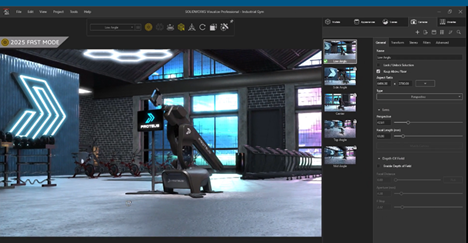
 

Rendered scene of an industrial gym created in SOLIDWORKS Visualize 2025, featuring exercise equipment and a robotic display, with a user-friendly interface showcasing multiple camera angles.


By rapidly eliminating noise from the viewport, Fast Render mode offers users a near-instantaneous preview of their designs, significantly accelerating the rendering process. This enhancement is particularly beneficial for users requiring quick iterations and approvals, as it reduces the time needed to produce high-quality images and animations.


Photorealistic Rendering via SOLIDWORKS API

Another significant advancement is the integration of Visualize with the SOLIDWORKS Application Programming Interface (API). This integration allows users to render SOLIDWORKS documents directly or convert them into Visualize project files through the Add-In. The API facilitates automation in the creation of photorealistic renderings, enabling a more efficient workflow and reducing manual intervention. This feature is particularly advantageous for users looking to automate repetitive tasks or integrate rendering capabilities into custom applications.


Faded Ground Option

SOLIDWORKS Visualize 2025 introduces a Faded Ground option, providing users with enhanced control over scene composition. By enabling the Faded setting under the Ground Shadow Catcher, the ground plane can be hidden without affecting the lighting and reflections on the model.
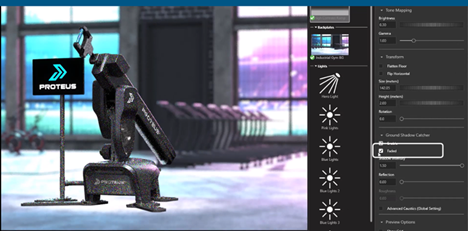
 

Demonstration of the Faded Ground Shadow Catcher feature in SOLIDWORKS Visualize 2025, highlighting how ground reflections and lighting effects remain intact while the ground plane fades for a clean composition.


This feature is especially useful for creating composite images, as it reduces the need for post-processing and allows for seamless integration of rendered models into various backgrounds.


Enhancements in SOLIDWORKS Visualize Boost 2025

Visualize Boost has been redesigned to offer a more intuitive setup and streamlined workflows. For those unfamiliar, SOLIDWORKS Visualize Boost is an add-on that enables distributed rendering across multiple machines, effectively lightening the load on a single computer and accelerating the rendering process. The 2025 update simplifies the configuration of rendering farms, making it easier to distribute rendering tasks and achieve faster results. This enhancement is particularly beneficial for users handling complex scenes or high-resolution outputs, as it allows for efficient utilization of networked resources.


Discontinuation of NVIDIA Iray Support

With the 2025 release, SOLIDWORKS Visualize has discontinued support for the NVIDIA Iray rendering engine. The Stellar Physically Correct engine now serves as the default renderer.
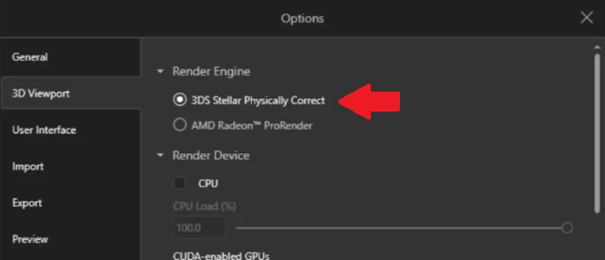
 

Screenshot of the SOLIDWORKS Visualize 2025 settings panel, showcasing the 3DS Stellar Physically Correct rendering engine as the default choice for superior rendering quality.


Projects previously created with NVIDIA Iray will be automatically converted to the Stellar engine upon opening in SOLIDWORKS Visualize 2025. This transition ensures compatibility and takes advantage of the latest advancements in rendering technology, providing users with improved performance and quality.


Leveraging GPU Technology with Vulkan Ray Tracing API

The Fast Render mode in SOLIDWORKS Visualize 2025 leverages the Vulkan Ray Tracing API, an open-standard API for 3D graphics and computing. This integration allows users to harness the power of modern GPUs, enabling real-time, interactive ray tracing.
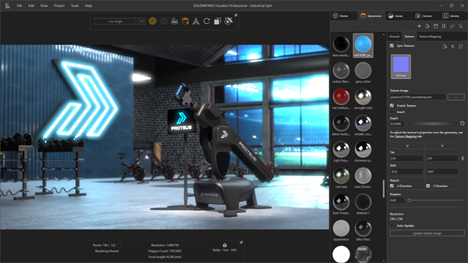
 

Interactive interface in SOLIDWORKS Visualize 2025 demonstrating advanced texture mapping capabilities, with a rendered robotic arm in an industrial gym setting and material customization options on the right panel.

The result is a more responsive rendering experience, with accurate shadows and reflections, reducing the time required to achieve photorealistic results.


Improved User Experience and Workflow Efficiency

The 2025 release focuses on enhancing user experience by introducing features that streamline workflows and reduce manual effort. The integration with the SOLIDWORKS API allows for automation in rendering tasks, while the Faded Ground option minimizes the need for post-processing. Additionally, the intuitive setup of Visualize Boost facilitates the creation of rendering farms, enabling users to distribute workloads efficiently. These improvements contribute to a more efficient and user-friendly environment, allowing designers and engineers to focus on creativity and innovation.


Why Choose SOLIDWORKS Visualize?

SOLIDWORKS Visualize sets itself apart as a premier rendering tool by combining cutting-edge technology with user-friendly functionality.


Real-Time Rendering with AI-Enhanced Speed

The new Fast Render Mode leverages AI and Vulkan Ray Tracing technology to deliver real-time, noise-free previews. This revolutionary feature accelerates the rendering process, saving valuable time while ensuring the visual fidelity of your designs.


Seamless Integration with the SOLIDWORKS Ecosystem

As part of the SOLIDWORKS family, Visualize integrates smoothly with tools like SOLIDWORKS CAD and the 3DEXPERIENCE platform. This integration allows for effortless import of CAD models, direct manipulation of materials and textures, and streamlined data sharing across projects.


User-Friendly Experience

SOLIDWORKS Visualize is designed to accommodate users of all skill levels. Its intuitive interface makes it easy for beginners to produce professional-quality visuals, while advanced features empower seasoned users to refine and perfect their work.


Scalable Performance with Visualize Boost

With Visualize Boost, users can distribute rendering tasks across multiple computers for faster processing. This scalability ensures high performance even for complex projects, making it ideal for teams handling detailed models or high-resolution outputs.


Key Use Cases for SOLIDWORKS Visualize

Product Design and Marketing

From concept sketches to final prototypes, SOLIDWORKS Visualize helps designers create lifelike representations of their products. These renderings are ideal for marketing materials, investor pitches, and design reviews, enabling stakeholders to visualize the end product with clarity.


Automotive and Aerospace Industries

Industries like automotive and aerospace require precise visualizations for engineering validation and customer presentations. The Faded Ground Option allows for seamless scene composition, while advanced lighting tools ensure accurate representations of materials and finishes.


Architecture and Construction

Architectural designers use SOLIDWORKS Visualize to create immersive visuals of buildings, interiors, and outdoor spaces. The realistic rendering capabilities help clients and stakeholders envision the final result, supporting faster approvals and better decision-making.


Consumer Goods and Packaging

For consumer goods, photorealistic renderings of products and packaging play a crucial role in branding and marketing. Features like material manipulation and scene customization enable companies to highlight product details and differentiate themselves in competitive markets.


Conclusion

SOLIDWORKS Visualize 2025 brings a host of enhancements aimed at improving rendering performance, flexibility, and integration. The introduction of Fast Render mode, integration with the SOLIDWORKS API, Faded Ground option, and improvements in Visualize Boost collectively contribute to a more efficient and powerful rendering toolset. These features enable users to produce high-quality, photorealistic renderings with greater speed and ease, supporting a wide range of applications from marketing materials to design reviews.

To learn more about what SOLIDWORKS Visualize can do for your specific workflows, or to kick start your next 3D design journey, reach out to our SOLIDWORKS experts today!

X_green_halo

Any questions? Need help? Ask one of our experts.

Whether you’re ready to get started or just have a few more questions, you can contact us toll-free:


    Leveraging 3DEXPERIENCE for Sustainable Product Design

    BLOG

    Leveraging 3DEXPERIENCE for Sustainable Product Design

    [techtips_featured_image_shortcode]

    As the world grapples with climate change and resource depletion, there is a growing urgency to adopt sustainable practices. For businesses involved in product development, this means rethinking how products are designed, manufactured, and managed throughout their life cycle. Integrating sustainability into the core of product design is not only a response to consumer demand for eco-friendly products but also a strategic move to meet regulatory requirements and achieve long-term business success.


    The 3DEXPERIENCE platform stands out as a comprehensive solution that empowers you and your business to embrace sustainable innovation. With tools for lifecycle assessment, virtual twin simulations, and real-time data analysis you can easily optimize your products’ overall environmental impact. Make informed decisions about materials, production methods, and energy consumption to significantly reduce environmental footprints. This approach helps businesses align with sustainability goals, such as zero carbon targets and circular economy principles, while also unlocking opportunities for cost savings and improved brand reputation.

    Why Choose 3DEXPERIENCE for Sustainable Engineering?

    Leveraging the 3DEXPERIENCE for sustainable product design empowers you to integrate lifecycle assessment directly into the product development process. Monitor a product’s environmental footprint every step of the way, from raw material extraction to the end of its life cycle, by embedding sustainability goals directly into your design principles.

    a silhouetted engineer walking across a lush green field with a stream of digital information representing green technology

    Reducing the Environmental Impact of Products

    The platform helps identify the environmental impact of your designs early in the design process. By simulating various factors such as energy consumption, water use, and waste generation in a virtual space you can make better-informed decisions to minimize the carbon footprint and land use associated with manufacturing processes, paving the way for more sustainable production practices.


    Leveraging Virtual Twins

    Virtual twin technology is a powerful feature of the 3DEXPERIENCE platform that allows you to create digital replicas of your products. By using virtual twins, teams can test different materials and manufacturing methods, reducing the need for physical prototypes and limiting waste generation.

    Designing for a More Sustainable World: Key Practices

    a factory with a smokestack that releases leaves and clean water, symbolizing eco-friendly industrial innovation

    Your teams can make products more sustainable by carefully choosing materials and implementing smart practices throughout the product development cycle. Gain real-time insights into the environmental conservation aspects of different design choices from directly within your 3DEXPERIENCE platform. This enables your teams to optimize material use and adopt greener design practices.


    How Does Advanced Digitalization Support Sustainable Innovation?

    The platform’s advanced digitalization capabilities provide you with innovative solutions to assess and improve product sustainability. By leveraging real-time data, you can monitor the environmental impact of your designs and make adjustments to support zero carbon goals. Create new products while ensuring production processes align with broader sustainability goals.


    Circular Economy and Sustainable Product Development

    Adopting circular economy principles is essential for sustainable development. Leveraging the 3DEXPERIENCE for sustainable product design supports a circular economy by empowering your business to design products with recyclability in mind. By optimizing the use of materials and considering the product’s life cycle from start to finish, the platform encourages the creation of environmentally friendly products that can be easily disassembled and reused, reducing overall waste and raw material consumption.

    Enhancing Lifecycle Assessment with a Single Platform

    3DEXPERIENCE streamlines the lifecycle assessment process by providing all necessary tools on a single platform. Teams can evaluate the product’s life cycle in detail, considering factors like energy consumption, land use, and water use, ensuring the manufacturing processes contribute positively toward a more sustainable future.

    A laptop sitting on a simple table in the middle of a bright, lush green field displaying a teardrop shaped leaf design

    Supporting the Entire Product Lifecycle with Sustainable Practices

    From the initial design phase to the end of the product’s life, 3DEXPERIENCE helps businesses incorporate sustainable practices into every step. The platform supports waste reduction, smart material use, and optimized production processes, ensuring that the entire product lifecycle supports sustainability goals.


    Can 3DEXPERIENCE Facilitate the Production of Environmentally Friendly Products?

    Yes, 3DEXPERIENCE supports the development of environmentally friendly products. Its tools integrate sustainability throughout the entire value chain. Companies can simulate different aspects of a product’s environmental footprint, including energy consumption and waste generation. As a result, they can ensure that each product aligns with their sustainability goals.


    3DEXPERIENCE for a Greener Future

    Achieving sustainability requires more than intentions; it demands integrating eco-friendly practices into every step of product development. The 3DEXPERIENCE platform offers businesses the tools they need to design friendly products that meet sustainability goals, embrace circular economy principles, and reduce the environmental impact of production processes.


    By leveraging virtual twin technology, advanced digitalization, and real-time data, businesses can minimize waste and reduce energy consumption. They can also select more sustainable materials and optimize their manufacturing processes to support zero-carbon goals. This approach leads to more environmentally friendly products. It also delivers business benefits, including cost savings, an enhanced reputation, and improved regulatory compliance.

    Building a Greener Future Through Sustainable Engineering

    3DEXPERIENCE supports innovation by encouraging teams to consider waste reduction, sustainable materials use, and end-of-life management from the start. As companies strive for a greener future, the platform ensures sustainability becomes a core principle throughout the value chain.


    In a world where sustainability is a crucial differentiator, 3DEXPERIENCE offers a unified solution for responsible innovation. Adopting 3DEXPERIENCE for sustainable product design helps businesses create eco-friendly products and achieve their sustainability goals. It also paves the way for a future where environmental conservation is an integral part of product development.


    Want to know more? Want to get started on your sustainability journey? Reach out to our experts for advice on how to get started and to discover just how green the grass can be!

    X_green_halo

    Any questions? Need help? Ask one of our experts.

    Whether you’re ready to get started or just have a few more questions, you can contact us toll-free:

      How PDM Improves Collaboration for Remote Engineering Teams

      BLOG

      How PDM Improves Collaboration for Remote Engineering Teams

      [techtips_featured_image_shortcode]

      For an increasingly connected world, remote work is becoming the norm, especially in industries like engineering, where design and product development require input from experts across various locations. The shift to remote work presents challenges, particularly when it comes to maintaining clear communication, managing heavy design data, and ensuring consistency throughout your engineering process.

      With the increasing reliance on digital tools, companies need efficient solutions to keep everyone on the same page, regardless of where they’re working. SOLIDWORKS PDM provides a centralized hub where teams can securely store, access, and manage critical product data such as schematics, CAD models, and bills of materials (BOMs).

      By bridging the gap between remote engineering teams and offering secure access to product and design information, SOLIDWORKS PDM not only enhances collaboration but frees up your team to spend less time on management and more time on innovation and driving product development forward.


      What is Product Data Management (PDM)?

      Product Data Management (PDM) is a digital system that helps engineering teams organize and control their product data throughout the development process. For SOLIDWORKS PDM, this is your Vault. It acts as a centralized repository where team members can store, share, and track revisions of design files, schematics, and other crucial documents. Remote engineers can easily access the information they need, resulting in less time spent searching for files and more time on actual product development.

      For more information on What PDM is and why it’s important, check out our latest blog on the subject!


      How Does PDM Support Remote Engineering Teams?

      Successful remote engineering teams thrive on smooth and efficient collaboration. SOLIDWORKS PDM plays a critical role in making this possible for teams dispersed across different locations through user-friendly features and CAD-aware file sharing capabilities. For example:


      1. SOLIDWORKS PDM enables remote teams to collaborate seamlessly by centralizing all product data, including CAD models and documentation, in a secure vault. Through cloud or VPN access, engineers can retrieve and update files from anywhere, ensuring they always work with the latest versions.
      2. PDM’s version control tracks every change, preventing overwrites and ensuring clarity on who made edits and when. Automated revision management reduces errors and keeps projects on track.
      3. File sharing is simplified. Engineers can check files in and out, with controllable permissions ensuring secure access to sensitive data.
      4. Customizable workflows automate approvals and change requests, allowing global teams to maintain momentum without delays.
      5. Integration with SOLIDWORKS CAD and BOM management ensures consistency and efficiency across all product development stages.


      Remote engineering teams can retrieve, modify, and update files in real time, ensuring that everyone works with the most current version of the data, reducing the risk of errors or duplication. By leveraging these features, SOLIDWORKS PDM helps your teams stay connected to their product data, collaborate effectively, and maintain high levels of productivity, no matter where they are in the world.


      Can PDM Improve Communication for Remote Engineering Teams?

      Silhouettes of two engineers holding tablets that project a hologram of a gear, standing in front of a large, glowing blue globe.


      Absolutely. By integrating product data management with communication tools such as emails and messaging platforms, engineers and project managers can easily discuss design data and track changes in real-time. The use of software that combines CAD tools and data management solutions creates a collaborative environment, ensuring everyone is working from the latest versions of schematics and designs.


      How Does PDM Integrate with CAD Tools?

      SOLIDWORKS PDM is designed to work seamlessly within your familiar SOLIDWORKS CAD environment. By linking your CAD information directly to the product data management system, remote engineers can track revisions, update models, and share designs in real-time. This seamless connection ensures that all product development tasks are carried out using the most up-to-date data, reducing errors and improving overall efficiency.


      Handling Change Orders

      Tracking change orders is one of the most important aspects of any engineering process. SOLIDWORKS PDM provides transparency by ensuring all changes are documented and reviewed by the necessary stakeholders, regardless of location. This ensures that the latest version of any design is available for all team members, reducing confusion, and improving project workflows.


      Enhancing Collaboration with Schematics and BOM Management

      Handling complex projects involving detailed schematics and BOM can be a challenge for remote teams. PDM simplifies this by providing an organized platform where engineers can collaborate, track changes, and ensure that all information is accessible in one place. This leads to more efficient engineering processes and a smoother overall product development lifecycle.


      Startups and Growing Companies

      For startups and smaller companies, implementing a product data management system might seem like a significant investment. However, the ability to manage product data effectively from the outset can greatly improve scalability. As remote work becomes more common, PDM ensures that all team members can access necessary information, contributing to smoother project timelines and efficient workflows.


      A Solution for Global Collaboration

      For globally dispersed teams, effective data management is key. A well-implemented PDM system facilitates seamless collaboration between offices located in different parts of the world. By managing data centrally, remote engineers can work on shared projects without geographical limitations, leading to more efficient workflows and faster time-to-market.


      Best Practices for Remote Work in Engineering

      Remote engineers and project managers benefit from establishing best practices when working with PDM. Regularly reviewing change orders, organizing BOMs, and maintaining open lines of communication are essential for keeping projects on track. With PDM in place, these practices become easier to follow, ensuring consistency across the board.


      Why Choose Cloud-Based Solutions for Remote Engineers?


      A simple illustration of a cloud-based Product Data Management (PDM) system.


      Cloud-based solutions, like the 3DEXPERIENCE platform, have transformed how remote engineering teams collaborate. By hosting product data management on the cloud, teams no longer need to worry about local servers or hardware issues. Instead, they can access their designs from anywhere, as long as there’s an internet connection. This flexibility allows teams to stay productive even when working from different locations.


      What Role Does PLM Play in Remote Collaboration?

      PDM manages product data, while PLM oversees the entire product lifecycle. Integrated together, these solutions assist remote teams in managing design, logistics, manufacturing, and end-of-life processes for a holistic view of the product journey.


      Benefits of Combining Systems

      Taking this integration one step further, incorporating enterprise resource planning (ERP) with your PDM ensures better coordination between design and manufacturing. By linking the BOM from CAD with ERP systems, companies can better manage production schedules, raw materials, and delivery timelines. This is particularly helpful for remote teams, as it keeps all departments aligned with project milestones and progress.


      Streamlining Engineering Processes

      The use of PDM allows engineering teams to follow best practices for managing product development and engineering processes. By providing a structured way to manage design data, teams avoid duplicate files, conflicting versions, and communication breakdowns. This is essential when working remotely, as remote engineers need to rely on efficient data management to avoid costly mistakes.


      Final Thoughts on PDM for Remote Engineering Teams

      With a product data management system in place, remote engineers can easily collaborate across different regions and time zones, ensuring that everyone is working with the latest files and data. This creates a more streamlined workflow, where design revisions, change orders, and BOMs are managed in a single platform that all team members can access with an internet connection. Additionally, integrating PDM with other tools like CAD and PLM solutions further enhances this collaboration, providing an end-to-end solution for managing not only product data but also the broader aspects of the product lifecycle.

      For companies of all sizes—from established corporations to growing startups—implementing PDM can transform how projects are managed and executed, leading to more efficient engineering processes and faster time-to-market. Stay connected, collaborative, and productive, no matter where you and your team members are in the world.

      X_green_halo

      Any questions? Need help? Ask one of our experts.

      Whether you’re ready to get started or just have a few more questions, you can contact us toll-free:

        Advanced Solutions: 3D Printing for Custom Automotive Parts

        BLOG

        Advanced Solutions: 3D Printing for Custom Automotive Parts

        [techtips_featured_image_shortcode]

        The automotive industry has seen a surge in customization demands as drivers seek personalized solutions for their vehicles. 3D printing for custom automotive parts has revolutionized how performance and aftermarket upgrades are created, offering new possibilities for car enthusiasts, mechanics, and small businesses alike.


        What Types of Parts Can You Print?

        The limit is your imagination! Print brake rotors or trailer hitches, or custom car parts like air vents and acceleration pedals. Plus, exterior accessories can be rapidly prototyped and adjusted just as easily. You can even print car body parts or specialized fixtures that cater to unique styles.


        Custom 3D Printed Car Parts & Prototypes

        Prototyping is faster and more cost-effective with 3D printing for custom automotive parts. The ability to quickly iterate designs for automotive applications, whether for exterior accessories or brake rotors, gives designers a competitive edge.


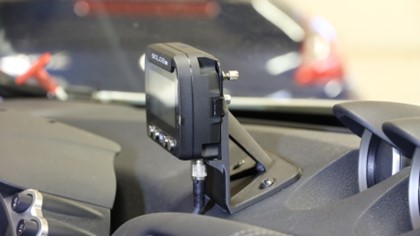
        Custom designed, carbon fiber GoPro mount attached to the dashboard of a Solidxperts Nissan 370z racecar.

        At Solidxperts, our printers help automotive businesses develop prototypes that precisely meet their specific needs.


        Nylon and ABS: Durability Meets Functionality

        The combination of nylon and ABS offers a strong, durable option for automotive applications. These materials are excellent for ducts and fixtures that need to withstand high heat or mechanical stress. Prints made from these materials are often indistinguishable from those that are traditionally manufactured, in terms of functionality.


        Can You Save on Production Costs?

        With 3D printing, a.k.a. additive manufacturing, production costs are significantly reduced. Traditional manufacturing methods require expensive molds and tooling, but FDM and fusion-based processes bypass these, allowing for fast prototyping and production. This benefit is particularly useful for small businesses offering aftermarket upgrades.


        How Does 3D Printing Improve Aftermarket Customization?

        3D printed car parts are a popular choice for creating custom exterior accessories, from car body pieces to brake rotors. Unlike traditional manufacturing methods, 3D printing offers flexibility and precision for these specific needs.


        Enhance Performance with Custom Accessories

        Additive manufacturing allows you to create custom car accessories tailored to your vehicle’s exact specifications. From flat surface panels to knobs and interior components, printed accessories ensure that you get the perfect fit and functionality for your aftermarket upgrades.


        Why is Nylon a Game-Changer in Automotive 3D Printing?

        Materials like nylon and carbon fiber have made a significant impact in automotive applications. These materials offer durable solutions for pieces that require strength, such as trailer hitches or knobs. Nylon is often paired with carbon fiber for even stronger automotive applications, increasing functionality and longevity.


        Nylon vs. TPU

        Choosing the right material can make all the difference in aftermarket upgrades. Nylon offers high strength, while TPU provides flexibility, ideal for custom pieces like knobs or exterior accessories. The versatility of these materials opens doors for pieces that perfectly match a vehicle’s performance requirements.


        Considering 3D Printing for Custom Automotive Parts?

        When it comes to 3D printing for custom automotive parts, precision and reliability are paramount. At Solidxperts, we provide FDM printers specifically designed for automotive applications, offering advanced features such as heated chambers and large build volumes. These features are crucial for producing strong, durable components like carbon fiber-reinforced nylon parts that meet the rigorous demands of the automotive industry.

        Whether you’re creating prototypes to fine-tune designs or manufacturing final products, Solidxperts’ 3D printing solutions ensure superior quality and functionality. Our printers excel at delivering high-performance parts, from exterior accessories and fixtures to critical performance parts, all while reducing production costs and allowing for rapid iteration.

        With Solidxperts’ advanced 3D printing technology, you can produce custom car parts that not only meet but exceed expectations.


        Do You Need a Heated Chamber?

        A heated chamber is crucial in maintaining consistent material temperatures during the printing process. This feature ensures that car body pieces, especially those requiring a smooth, flat surface, maintain quality throughout production.


        Durable, Custom Car Parts from Your Desktop

        Solidxperts offers desktop 3D printers capable of producing high-quality custom car pieces right from your workspace. Some of the printers in our lineup are designed to handle advanced materials like carbon fiber and ABS, making them perfect for manufacturing durable fixtures, nozzles, and more.


        Performance enhancing Nissan 370z custom designed air intake duct fitting on a Markforged desktop 3D printer.


        Precision and Functionality with Markforged

        Markforged industry-leading printers are designed to handle a wide range of materials, from carbon fiber and nylon to TPU and ABS, ensuring high strength and durability.

        You can produce car parts with reinforced carbon fiber filaments, delivering strength comparable to metal while significantly reducing weight—perfect for automotive applications where both strength and lightness are crucial. Whether you’re working on brake rotors, ducts, or structural performance parts, the precision of Markforged printers ensures accuracy down to the finest details.

        Additionally, Markforged’s heated chambers and cloud-based software, Eiger, optimize print performance and streamline the process, lowering production costs and shortening turnaround times.

        With these cutting-edge technologies, Solidxperts empowers clients to achieve remarkable results, making additive manufacturing a cost-effective and highly functional solution for any automotive customization project.

        Custom-fit carbon fiber air intake duct installed on a Nissan 370z.


        Conclusion

        3D printing has transformed the way we approach custom automotive parts, offering unmatched flexibility, speed, and precision in manufacturing. Whether you’re a small business looking to reduce production costs or a car enthusiast seeking unique aftermarket upgrades, 3D printing is the key to unlocking endless possibilities. From performance parts to interior accessories and fixtures, the ability to tailor each component to your vehicle’s specific needs is now more accessible than ever.

        With nylon, carbon fiber, TPU, and other advanced materials available, you can produce durable, high-quality prints that not only perform well but also last longer. For everything from prototypes to ducts to finishing with flat surfaces, Solidxperts’ range of 3D printers ensures precise and functional results for any automotive application. As the demand for customization grows, now is the perfect time to explore how 3D printing can revolutionize your approach to automotive manufacturing.

        X_green_halo

        Any questions? Need help? Ask one of our experts.

        Whether you’re ready to get started or just have a few more questions, you can contact us toll-free:

          20 Questions You Didn’t Know You Had About Large Format 3D Printers

          BLOG

          20 Questions You Didn’t Know You Had About Large Format 3D Printers

          [techtips_featured_image_shortcode]

          Introduction

          Large-scale 3D printing is revolutionizing the manufacturing industry, offering the ability to create objects of incredible size and complexity. From prototypes to producing end-use parts, large-scale 3D printing opens a world of possibilities, but with this exciting technology comes a host of questions, many of which you may not even know you had.

          In this blog, we will explore 20 essential questions about large format 3D printers, providing you with the answers you need to understand this innovative technology. We’ll delve into the capabilities of large format 3D printers, the industries that benefit the most, the materials that can be used, the sustainability aspect, the limitations, the cost-effectiveness, and much more.


          1. What Is Large-Scale 3D Printing and How Does It Differ from Standard 3D Printing?

          Large-scale 3D printing creates massive 3D printed objects using specialized technology with larger build volumes and extruders. It enables the production of large, intricate objects in one piece, offering new possibilities for industries like architecture, automotive, and aerospace.


          2. What Are the Capabilities of a Large Format 3D Printer?

          Large-format 3D printers offer a range of capabilities that make them ideal for a variety of applications. Here are some key capabilities of large-scale 3D printers:


          • Build volume: As you might expect, large format 3D printers have significantly larger build volumes compared to standard 3D printers, allowing for the creation of large objects in a single print.
          • Print quality: Despite the larger size, large-scale 3D printers can produce high-quality prints with intricate details and smooth surfaces.
          • Large objects: With their spacious build platforms, large-scale 3D printers can create objects that would be impossible to produce with standard printers.
          • Speed: Large-scale 3D printers can produce objects at a faster rate, reducing production time and increasing efficiency.


          These capabilities make large-scale 3D printers a valuable tool for industries such as prototyping, manufacturing, and product development.


          3. Which Industries Benefit Most from Large Format 3D Printers?

          Large-scale 3D printing benefits various industries, especially prototyping and large format manufacturing. It saves time and money in product development by enabling quick production of prototypes. In manufacturing, it creates large objects in a single piece, cutting down on assembly time. Industries like construction, automotive, aerospace, and architecture can streamline production processes and bring innovative products to market faster with large-scale 3D printing.


          4. What Filaments Can Be Used in Large-Scale 3D Printing?

          Large-scale 3D printing offers a wide range of material options. Just like standard 3D printers, large-scale printers can use various types of filaments, including PLA, ABS, PETG, nylon, and more. These filaments come in different colors and properties, allowing for versatility in printing applications.

          Additionally, large-scale 3D printers often come equipped with specialized extruders that can handle larger filament sizes. This opens the possibility of using materials such as carbon fiber composites, metal-filled filaments, and other high-performance materials.

          With the ability to use a wide range of materials, large-scale 3D printing offers flexibility and the opportunity to create objects with specific properties, such as strength, heat resistance, and conductivity.


          5. Can Large-scale 3D Printing Be Sustainable and Eco-Friendly?

          Large-scale 3D printing can be sustainable by minimizing waste through additive manufacturing techniques. It uses only necessary materials, reducing waste. Additionally, it can utilize recycled and biodegradable materials, further reducing environmental impact. Advanced features like filament detection and automatic bed leveling ensure efficient and precise printing, minimizing reprints and waste.

          As 3D printing evolves, the industry seeks to make it even more sustainable, offering a greener alternative to traditional manufacturing methods.


          6. What Are the Limitations of Large-Scale 3D Printing?

          Large-scale 3D printing has advantages but also limitations. Surface finish can have visible layer lines due to the printing process, but post-processing techniques like sanding or painting can improve it.

          Size constraints do exist for large objects, which may require printing in parts and assembling later. Costs of printers and materials can be limiting, but as technology advances, costs are expected to decrease, expanding accessibility to various industries.


          7. How Cost-Effective Is Large-scale 3D Printing Compared to Traditional Manufacturing?

          Large-scale 3D printing offers cost-effective advantages over traditional manufacturing. It reduces assembly and labor time as well as material costs. It even enables rapid prototyping.

          Consider design complexity, object size, and material when evaluating cost-effectiveness.


          8. How Do You Choose the Right Large-scale 3D Printer for Your Project?

          Choosing the right large-scale 3D printer for your project requires careful consideration of several factors. Here are some key considerations to keep in mind:


          • Print quality: Assess the print quality of the printer by examining sample prints or researching customer reviews. Look for printers that consistently produce high-quality prints with good accuracy and detail.
          • Large format capabilities: Determine the maximum build volume of the printer and ensure it meets your requirements for the size of objects you intend to print.
          • Features and functionalities: Consider additional features such as automatic bed leveling, filament detection, and print resume after power loss. These features can enhance the printing experience and minimize the risk of failed prints.
          • Support and warranty: Look for manufacturers that offer reliable customer support and a warranty on their printers. This will ensure that you have assistance in case of any issues or technical difficulties.


          9. How do you Prepare Designs for Large-scale 3D Printing and Prototyping?

          Preparing designs for large-scale 3D printing requires careful consideration of factors such as size, support structures, and print orientation.


          • Size considerations: Ensure that your design fits within the maximum build volume of the printer. If the object is too large, it may need to be printed in multiple parts and assembled later.
          • Support structures: Determine if your design requires support structures to ensure successful printing. Large overhangs or intricate details may require support structures to prevent sagging or collapsing during the printing process.
          • Print orientation: Consider the best orientation for your design to minimize the need for support structures and achieve the desired strength and surface finish.
          • File format: Save your design files in a format compatible with the large-scale 3D printer’s software, such as STL or OBJ.


          10. How Fast Can Large-scale 3D Printers Produce Objects?

          Large-scale 3D printers’ print speed varies based on design complexity, object size, and print settings. They generally outpace standard printers due to their larger volumes and specialized extruders. However, intricate or bigger objects may take longer. Print quality and resolution preferences can also impact speed.

          Optimize by selecting suitable settings like layer height and speed and maintaining printer calibration.


          11. How Does Large-scale 3D Printing Facilitate Customization?

          Large-scale 3D printing allows for unmatched customization capabilities, enabling businesses and individuals to tailor designs to specific requirements. From unique architectural structures to personalized automotive parts and individualized prototypes, large-scale 3D printing offers a new level of customization. This can enhance customer satisfaction, product functionality, and brand differentiation.

          By leveraging large-scale 3D printing, businesses can provide tailored solutions that meet client needs and stand out in the market.


          12. What Types of Support Structures Are Needed for Large-scale 3D Printing?

          Support structures are crucial in large-scale 3D printing, especially for complex designs or objects with overhangs. They provide temporary support, preventing sagging or collapsing. The type of support required varies based on the object’s design and print orientation. Common types include tree-like, lattice, and solid structures. Adjusting placement and density can optimize material usage and reduce post-processing. Careful consideration of support structures is vital for successful large-scale 3D prints.


          13. Can Large-scale 3D Printing Be Used for Building Construction?

          Large-scale 3D printing can revolutionize construction by enabling the printing of large, complex parts efficiently. It allows for custom-designed components, enhancing architectural flexibility and sustainability. Successful projects worldwide have demonstrated its potential in building houses, offices, and villages. As the technology progresses, expect more innovative applications in the construction industry.


          14. What Safety Measures Should Be Considered in Large-scale 3D Printing?

          Safety is vital in large-scale 3D printing. Proper ventilation is crucial to minimize exposure to harmful fumes. Operating the printer correctly, following guidelines, and regular maintenance are key safety measures. Fire safety measures like fire extinguishers and smoke detectors are essential due to the heat generated by these printers.

          By implementing these safety measures and following best practices, large-scale 3D printing can be done safely and effectively.


          15. What is the Typical Accuracy of Large-Scale 3D Printers?

          The accuracy of large-scale 3D printers can vary depending on various factors such as the printer’s design, print settings, and the complexity of the object being printed. However, in general, large-scale 3D printers offer a high level of accuracy, allowing for precise and detailed prints.


          16. How Does the Resolution of a Large-Scale 3D Printer Compare to Smaller Printers?

          Large-scale 3D printers typically have a comparable resolution to smaller printers. However, due to their larger build volume, the resolution may appear slightly lower when printing large objects. Nonetheless, large-scale printers can still achieve impressive levels of detail and quality.


          17. What Maintenance Is Required for Large-scale 3D Printers?

          Like any 3D printer, large-scale printers require regular maintenance to ensure optimal performance. This includes tasks such as cleaning the print bed, calibrating the printer, and replacing worn-out parts.

          Following the manufacturer’s guidelines and performing routine maintenance will help prolong the lifespan of the printer and ensure consistent print quality.


          18. Can Large-scale 3D Printing Be Done with Metals?

          Yes, large-scale 3D printing can be done with metals. Metal 3D printing, also known as additive manufacturing, is a rapidly growing field that allows for the creation of complex metal objects.

          With advancements in technology, large-scale metal printing is becoming more accessible and offers exciting possibilities in industries such as aerospace, automotive, and healthcare.


          19. How Do Environmental Conditions Affect Large-scale 3D Printing?

          Environmental conditions can have an impact on large-scale 3D printing. Factors such as temperature, humidity, and airflow can affect the print quality and overall success of a print. It is important to ensure that the printing environment is controlled and optimized for best results. This may include using an enclosed printer or implementing measures to regulate temperature and humidity.


          20. Can Large-scale 3D Printed Items Be Recycled?

          Yes, large-scale 3D printed items can be recycled depending on material. Many 3D printing materials, such as PLA and ABS, are recyclable. However, it is important to note that the recycling process for large-scale prints may differ from smaller prints due to their size. Recycling options may include shredding the prints into smaller pieces or using specialized recycling facilities.


          Builder 3D Printers – Large Format Printing Made Easy

          Builder 3D printers are at the forefront of large-scale 3D printing technology. Designed and produced in the Netherlands, these printers offer a range of features and capabilities that make large-format printing easy and accessible.

          One of the standout features of Builder 3D printers is their large build size. With a build capacity over 1 x 1 meter, these printers can handle printing large and complex objects in one piece, making them ideal for projects with a high print volume. This opens new possibilities for creating large prototypes, tools, and even parts for building construction.

          In addition to their impressive build size, Builder 3D printers also come with features such as automatic bed leveling and filament detection. These features ensure accurate and reliable printing, minimizing the risk of failed prints and saving valuable time and resources.

          Whether you’re a business looking to streamline your prototyping process or an individual maker with ambitious projects in mind, Builder 3D printers offer the perfect solution for large-format printing needs.


          Features of Builder 3D Printers

          Builder large format printers are equipped with a range of features that make them stand out in the world of large-scale 3D printing. These features ensure high-quality prints and user-friendly operation, making them the go-to choice for many professionals and enthusiasts. Here are some key features of Builder large format printers:


          These features, combined with the reliability and precision of Builder printers, make them a top choice for large-scale 3D printing projects.


          Feature
          Large Build Size Builder printers offer a generous build volume, allowing for the creation of large-scale objects.
          Automatic Bed Leveling This feature ensures that the print bed is perfectly leveled, resulting in accurate and consistent prints.
          Filament Detection Builder printers are equipped with filament detection sensors that alert users when filament runs out or breaks, preventing failed prints.
          Easy Access to Build Plate The design of Builder printers allows for easy access to the build plate, making print setup and removal hassle-free.
          Multiple Nozzle Diameters Builder printers come with various nozzle diameters, allowing users to choose the optimal size for their specific printing needs.


          These features, combined with the reliability and precision of Builder printers, make them a top choice for large-scale 3D printing projects.


          Conclusion

          Large-scale 3D printing opens a world of possibilities, revolutionizing industries and manufacturing processes. From materials to sustainability, this technology offers innovation at its core. Understanding its capabilities, limitations, and benefits is crucial for choosing the right printer for your project. Customization, speed, and accuracy are key factors shaping the future of large-scale printing. Embrace this cutting-edge technology with informed decisions and unleash your creativity like never before. Dive into the realm of large-scale 3D printing and witness the transformative power it holds for the future of manufacturing and design.

          X_green_halo

          Any questions? Need help? Ask one of our experts.

          Whether you’re ready to get started or just have a few more questions, you can contact us toll-free:

            The Rise of Robot-as-a-Service: Revolutionizing Business Automation

            BLOG

            The Rise of Robot-as-a-Service: Revolutionizing Business Automation

            [techtips_featured_image_shortcode]

            Robot(ics)-as-a-Service, or RaaS for short, is an emerging business model that works kind of like how you subscribe to apps or online services, but for robots. This innovative approach offers robotic automation solutions on a subscription basis. It allows companies to harness the power of advanced robotics without the hefty upfront investment. For small and medium-sized enterprises (SMEs), RaaS presents an exciting opportunity to stay competitive and agile in a dynamic market.


            Industries that make stuff, sell stuff, or help keep us healthy are jumping on this trend to better automate tasks while keeping costs down.

            What is Robot-as-a-Service (RaaS)?

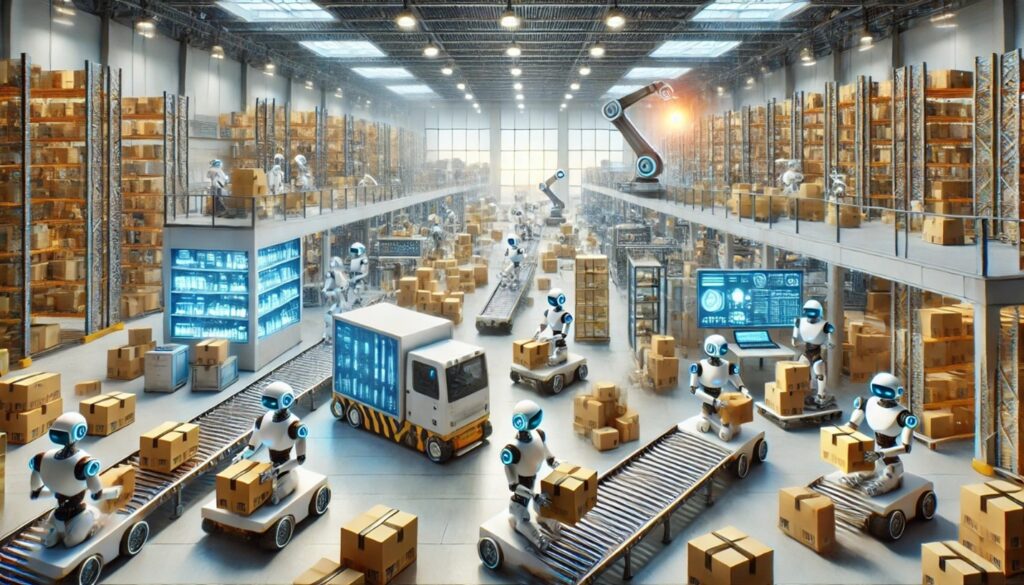
            Robots sorting, packing, and transporting goods around a warehouse


            RaaS provides businesses with access to robotic systems through a subscription model. It mixes old-school robotics with new tech like AI, machine learning, and cloud computing to make it easier and cheaper for businesses of all sizes to get into automation.


            Instead of purchasing and maintaining robots, companies can rent them. Regular fees cover the cost of the machines, maintenance, software updates, and support services.


            This approach offers scalability, reduced risk, and access to the latest robotic technologies, making automation more accessible and cost-effective.

            The Growing Importance of RaaS in Business Automation

            RaaS offers a cost-effective, scalable solution for businesses to improve efficiency and agility in a dynamic market. Its inherent flexibility and growth potential help businesses optimize their operations. The subscription or usage-based model also eliminates high upfront costs.


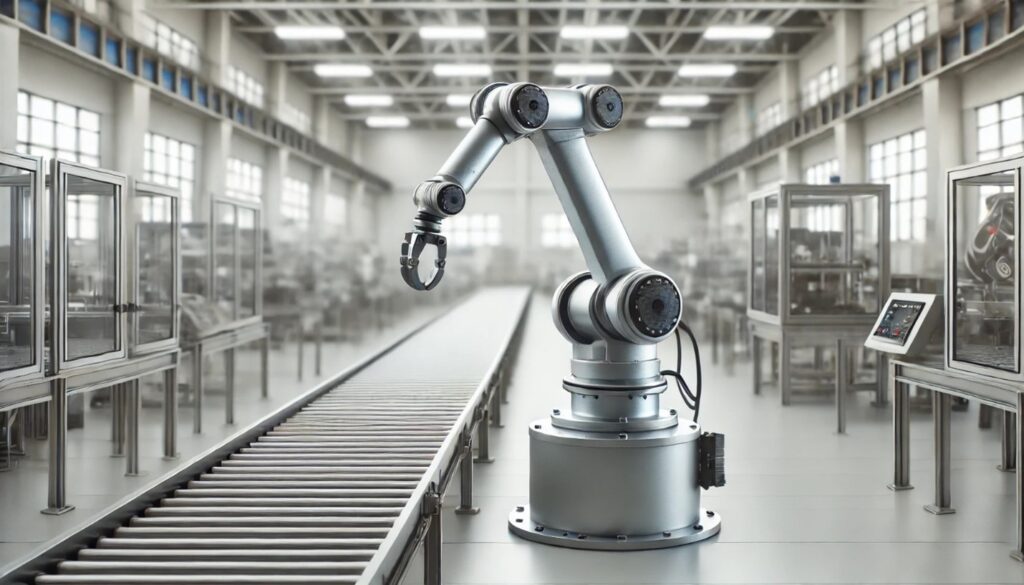
            A simple robotic arm in a manufacturing setting positioned in front of an empty conveyor belt


            Also, RaaS adapts to changing market conditions, enabling quick adjustments in robotic resources and maintaining predictable costs. Providers handle maintenance, upgrades, and support, ensuring the latest technology is always in use.


            Exploring the Benefits of RaaS for Businesses

            RaaS makes it easier and more cost-effective for businesses to leverage advanced robots. Businesses can boost productivity and flexibly adapt how they operate to keep up with highly competitive markets.


            Cost Efficiency and Scalability

            By adopting a RaaS model, organizations find it simpler to make their processes more efficient and bring in new automation ideas. Predictable costs make it easier for new businesses to start using this technology, and services can be tailored specifically to what each business needs.


            Also, RaaS allows businesses to scale their robotic operations up or down based on their needs. This flexibility is particularly useful for industries with fluctuating demands, such as manufacturing, warehousing, and logistics.


            Enhanced Productivity and Operational Flexibility

            At the heart of the RaaS model, you’ll find a big boost in how much work gets done and how flexible operations can be. With RaaS on their side, companies can smooth out their processes, become more efficient, and quickly adjust when their customer wants and needs change.

            Impact of RaaS on Key Industries

            Manufacturing

            RaaS revolutionizes manufacturing by enabling SMEs to automate production lines, reducing labor costs and increasing efficiency. With flexible subscription models, companies can scale their robotic workforce based on demand, ensuring optimal productivity without significant capital expenditure.


            Warehousing and Logistics

            In warehousing and logistics, RaaS can streamline operations by automating tasks such as sorting, packing, and transportation. This leads to faster order fulfillment, reduced errors, and improved inventory management, essential for maintaining a competitive edge in the fast-paced e-commerce sector.


            Healthcare

            RaaS can enhance healthcare delivery by providing robotic assistance in surgeries, rehabilitation, and patient care. These advanced robotic solutions can improve precision, reduce recovery times, and increase the overall quality of care, making them invaluable assets for healthcare providers.


            Aerospace and Defense

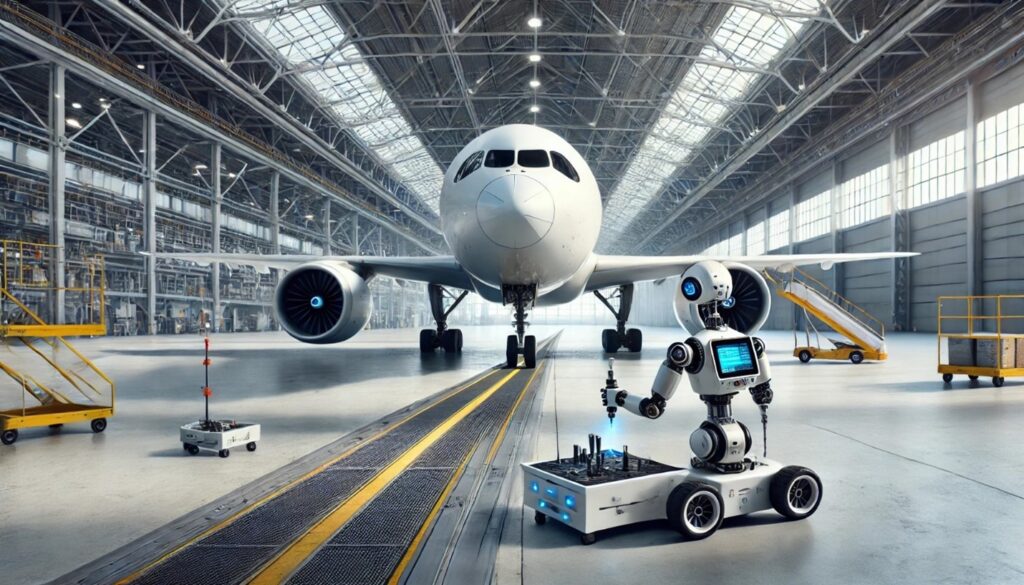
            In aerospace and defense, RaaS supports complex manufacturing processes and maintenance tasks. Robotic systems can handle intricate assembly operations, conduct inspections, and perform maintenance in hazardous environments, improving safety and efficiency.


            A small robot performing maintenance on a commercial airplane in an empty hangar


            How SOLIDWORKS Supports RaaS Adoption for SMEs

            The SOLIDWORKS portfolio offers a comprehensive suite of tools that can support SMEs in adopting an RaaS model:


            • SOLIDWORKS 3D CAD: It is essential for designing robotic components and systems. It enables precise modeling and assembly, ensuring robust and efficient robotic solutions.
            • SOLIDWORKS Simulation: This tool enables SMEs to test and validate robotic designs under real-world conditions, ensuring reliability and performance before deployment.
            • SOLIDWORKS Electrical: It integrates electrical systems with mechanical designs. This ensures seamless functionality and reduces the complexity of robotic systems.
            • SOLIDWORKS PDM (Product Data Management): It manages design data and documentation. It also ensures version control and collaboration, which are crucial for developing and maintaining robotic systems.
            • SOLIDWORKS Manage: It provides advanced data management capabilities. It helps SMEs oversee the lifecycle of robotic systems, from development and deployment to maintenance.
            • SOLIDWORKS Composer: This tool aids in creating technical documentation, ensuring that RaaS clients have access to clear instructions for operating and maintaining robots.
            • SOLIDWORKS Visualize: It provides high-quality rendering and visualization capabilities. These tools help create compelling marketing materials and presentations, which are essential for promoting RaaS offerings.


            Tips and Strategies for Successful RaaS Deployment

            An android automaton sitting in an office meeting room, appearing thoughtful


            To make sure a RaaS setup works well, companies need to think about a few key things. First off, they should really look into what they specifically need and want to achieve, then pick a RaaS provider that has the right robots and tech for those needs.


            It’s also crucial to get how the service model and pricing work with the chosen provider. This means looking at initial costs, ongoing fees for subscriptions, and any extra charges that might pop up.


            On top of this, it’s important for businesses to train their employees so everyone knows how to use these robotic tools properly. And don’t forget about keeping in touch with your RaaS provider regularly; talking things through can help sort out any bumps along the way during setup or later on down the line.


            By following these steps and using robotics within an appropriate service model, businesses can effectively use RaaS to achieve successful automation.

            Conclusion

            By leveraging the SOLIDWORKS software portfolio, SMEs can effectively design, simulate, and manage robotic systems. This makes it easier to adopt the RaaS model. RaaS democratizes access to cutting-edge robotic technology. It also helps SMEs improve operational efficiency, reduce costs, and remain competitive in their industries.


            With the support of SOLIDWORKS tools, embracing RaaS can unlock new levels of innovation and productivity. It can also help SMEs thrive in an increasingly automated world.

            X_green_halo

            Any questions? Need help? Ask one of our experts.

            Whether you’re ready to get started or just have a few more questions, you can contact us toll-free:

              Hyper FFF by Raise3D: Revolutionizing Prototyping and Small-Batch Production

              BLOG

              Hyper FFF by Raise3D: Revolutionizing Prototyping and Small-Batch Production

              [techtips_featured_image_shortcode]

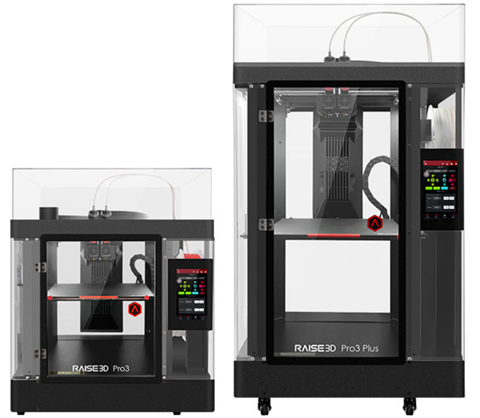
              In the dynamic engineering world, where rapid iteration and efficient production are paramount, new technologies that accelerate design and manufacturing processes hold immense value. Enter Hyper FFF (Fused Filament Fabrication), a cutting-edge way to 3D print developed by Raise3D. Hyper FFF is a groundbreaking 3D printing system engineered for unparalleled efficiency and performance, offering engineering professionals new advantages in prototyping and small-batch production.


              Unleashing Speed and Quality:

              At the core of Rasie3D’s Hyper FFF lies its ability to achieve unparalleled print speeds, boasting 100% quality and 300% productivity on its website, while maintaining exceptional part quality. By leveraging advanced hardware, sophisticated feedback loops, specialized filaments, and an active vibration cancellation algorithm, Hyper FFF enables engineers to push the boundaries of speed and efficiency in additive manufacturing. With Hyper FFF, design iterations can be completed in record time, leading to faster product development cycles and increased engineering productivity.


              Hyper FFF by Raise3D


              Accelerating Design Iterations for Engineers:

              For engineers, design iterations are a critical aspect of the development process. Hyper FFF’s remarkable speed allows engineers to rapidly iterate and refine their designs, facilitating quicker testing, validation, and optimization. The accelerated design process empowers engineers to explore multiple design options, evaluate their performance, and make informed decisions faster than ever before. By shortening the design cycle, designers gain a competitive edge, allowing them to bring innovative products to market more quickly and stay ahead of their competitors.


              Reduced Print Time for Engineering Applications:

              Hyper FFF’s high-speed capabilities significantly reduce print times for engineering applications. Complex prototypes and small-batch production runs that previously required hours or even days to print can now be produced in substantially less time. This accelerated production process enables engineers to meet tight project deadlines, ensuring timely delivery and increased client satisfaction. With Hyper FFF, engineers can optimize their workflows, enhance productivity, and drive innovation forward.


              Enhanced Success Rate and Quality Control:

              Hyper FFF technology integrates advanced features, like its active vibration cancellation algorithm and optimized filaments, to improve the rate of successful prints and ensure consistent quality in engineering applications. By mitigating vibrations and minimizing printing failures, Hyper FFF delivers reliable results and reduces material waste. Engineers can achieve a higher percentage of successful prints, leading to improved productivity and cost-effectiveness. Hyper FFF empowers engineers with the confidence that their parts will meet the stringent quality standards required in demanding engineering applications.


              Shortened Lead Time for Engineering Parts:

              Minimizing lead times is crucial in engineering to maintain project schedules and meet client demands. Hyper FFF’s exceptional speed and quality both directly contribute to shortened lead times for individual or even small-batch printed parts. By harnessing the power of Hyper FFF, engineers can manufacture components faster, accelerating the overall production process. This agility ensures timely project completion, minimizing delays, and improving customer satisfaction. With Hyper FFF, engineering firms gain a competitive advantage by delivering high-quality parts in less time.


              Embracing In-House Supply for Engineering Applications:

              Hyper FFF’s capabilities make it an ideal solution for in-house supply production in the engineering industry. By leveraging Hyper FFF technology, engineering firms can reduce reliance on external suppliers, streamline their supply chains, and gain greater control over production timelines. With the ability to produce parts on demand, engineers can optimize inventory management, reduce costs, and respond swiftly to changing project requirements. Hyper FFF enables engineering professionals to drive innovation and improve the efficiency of their in-house production processes.


              Hyper FFF by Raise3D


              Currently, Hyper FFF technology is primarily available for the Pro3 Series printers. The Pro3 Series printers are specifically engineered to leverage the full potential of Hyper FFF, providing exceptional speed and uncompromising quality. Learn more about the Pro3 series on our product page here. Hyper FFF technology is a game-changer for engineers involved in prototyping and small-batch production. By offering unparalleled speed, uncompromising quality, and increased efficiency, Hyper FFF empowers engineering professionals to accelerate design iterations, reduce lead times, and enhance overall productivity.

              X_green_halo

              Any questions? Need help? Ask one of our experts.

              Whether you’re ready to get started or just have a few more questions, you can contact us toll-free:
                How the Concept Cars of Tomorrow Are Made With 3D Printing

                BLOG

                How the Concept Cars of Tomorrow Are Made With 3D Printing

                [techtips_featured_image_shortcode]

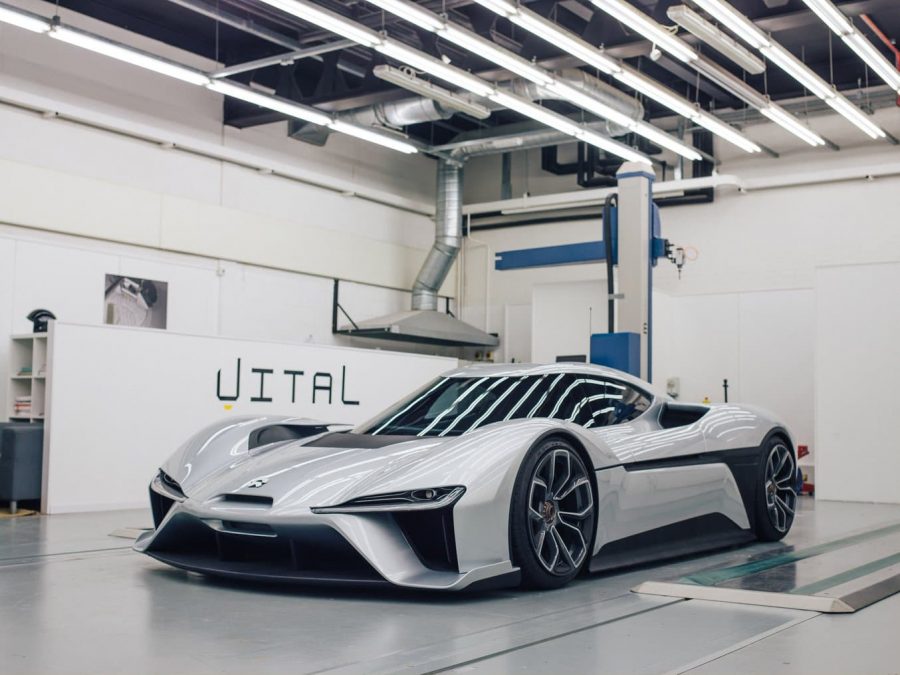
                Located in the heart of the UK’s auto industry, Vital Auto is an industrial design studio with deep expertise in automotive design. The company’s illustrious clientele includes many of the major automotive manufacturers, such as Volvo, Nissan, Lotus, McLaren, Geely, TATA, and more.

                “Clients typically come to us to try and push the boundaries of what’s possible with the technology available,“ said Shay Moradi, Vital’s VP of Innovation & Experiential Technology. When manufacturers don’t have time for experimentation themselves, they rely on Vital Auto with any kind of challenge to turn ideas, initial sketches, drawings, or technical specifications into a fully realized physical form.

                Read on to learn how Vital Auto—a customer of Formlabs’ fastest growing UK reseller, SolidPrint 3D—creates high-fidelity prototypes and concept cars, rapidly working through iterations using a variety of advanced tools, including a large fleet of Form 3L and Fuse 1 printers.


                The Making of a Concept Car


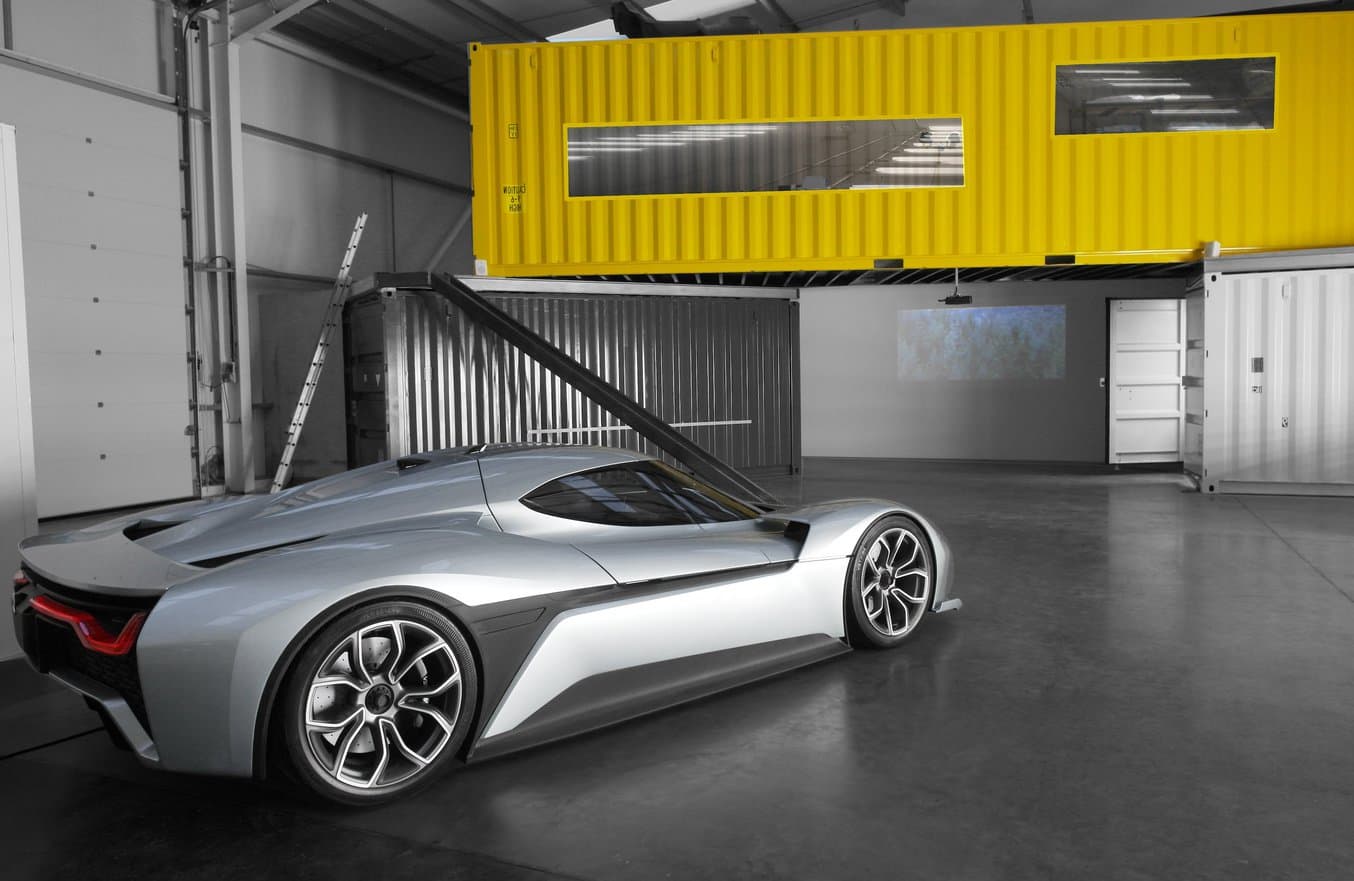
                Vital Auto was founded in 2015 when three friends got together, quit their jobs, and decided to set up a shop—fittingly—in a garage. One of the first contracts the company took on was for the NIO EP9 supercar concept, which instantly set the team on a course to producing extremely realistic, high-fidelity vehicular prototypes.

                Depending on the client’s request, the team will start anywhere from simply a sketch on a piece of paper to an already designed vehicle. They develop cars from a blank sheet and design all the mainframes, all the exterior and interior elements, open/closings, and interactive elements. With five to 30 people working on a single concept, a typical project could take anywhere from three to 12 months.

                During this time, a typical show car goes through up to a dozen core design iterations, and within those, there can be further iterations of smaller components until the design meets the expectations of the customer.

                “It’s all well in our industry to look at virtual properties as a means of evaluating a product before it goes to market. However, I think there’s always going to be a place for physically manufactured objects as well. There’s nothing that beats the sensation and feeling of holding an object in your hands with the correct weight, with the correct proportions, and the dynamics of how the physical environment changes your perception of that physical object,“ said Moradi.


                “Most of our customers will come to us with a new idea, an innovative idea, and something that’s never been done before. So the challenges for us are new every single day and they’re endless,” said Anthony Barnicott, Design Engineer in charge of additive manufacturing. “These challenges can range from, how can we produce this number of parts in this amount of time to, how can we make a sustainable product or how can we make a part that achieves a particular weight while still achieving a particular performance.”

                While traditional show cars are normally made just from milling clay, the team also uses three- and five-axis CNC milling, hand forming, hand clay modeling, and GRP composites. These traditional processes are, however, often not ideal for producing the custom parts required for one-off concepts.

                “We’ve used 3D printing from day one. We wanted to introduce it to our manufacturing processes, not only to reduce costs but to give the customer more diversity with their designs and their ideas,” said Barnicott.

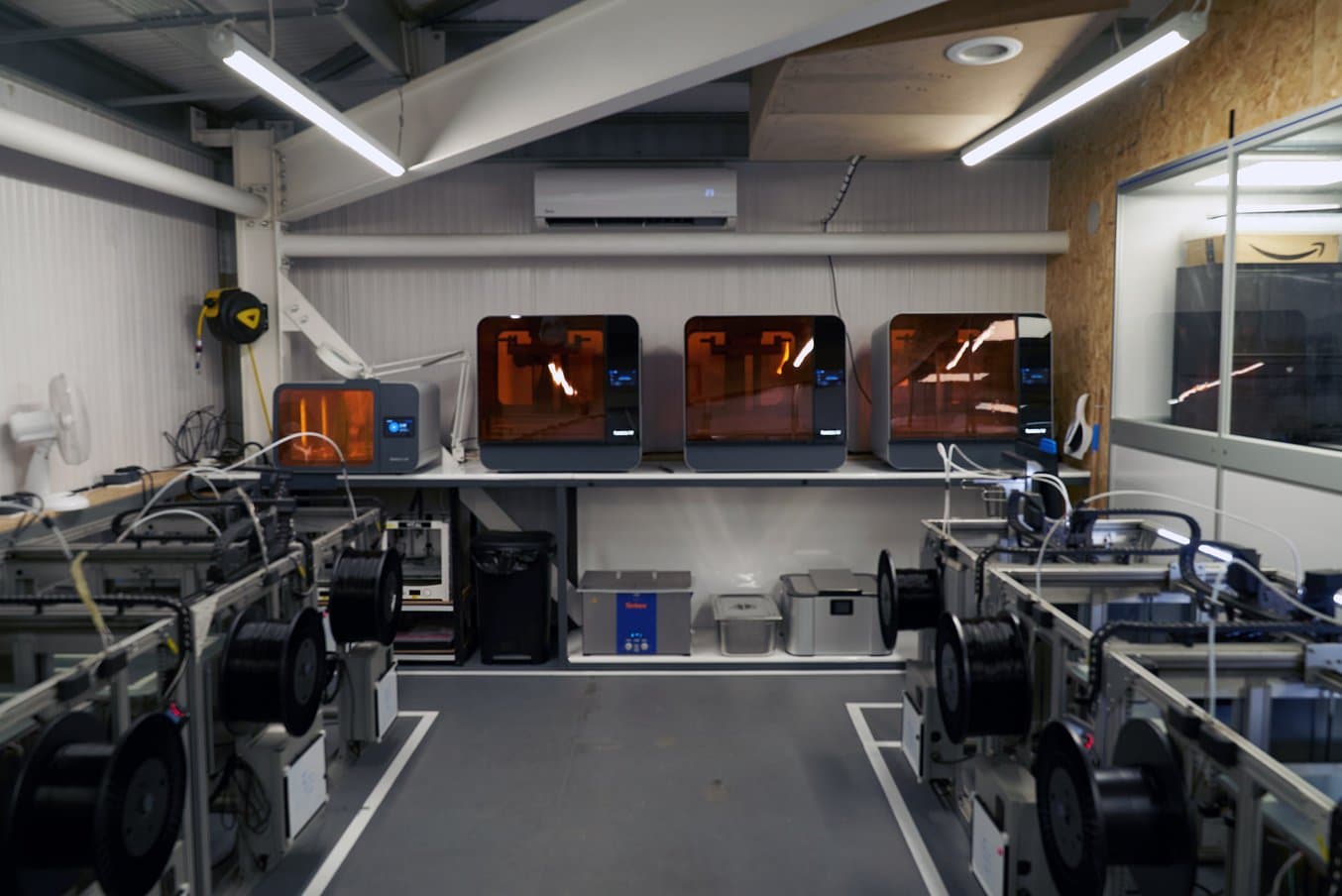
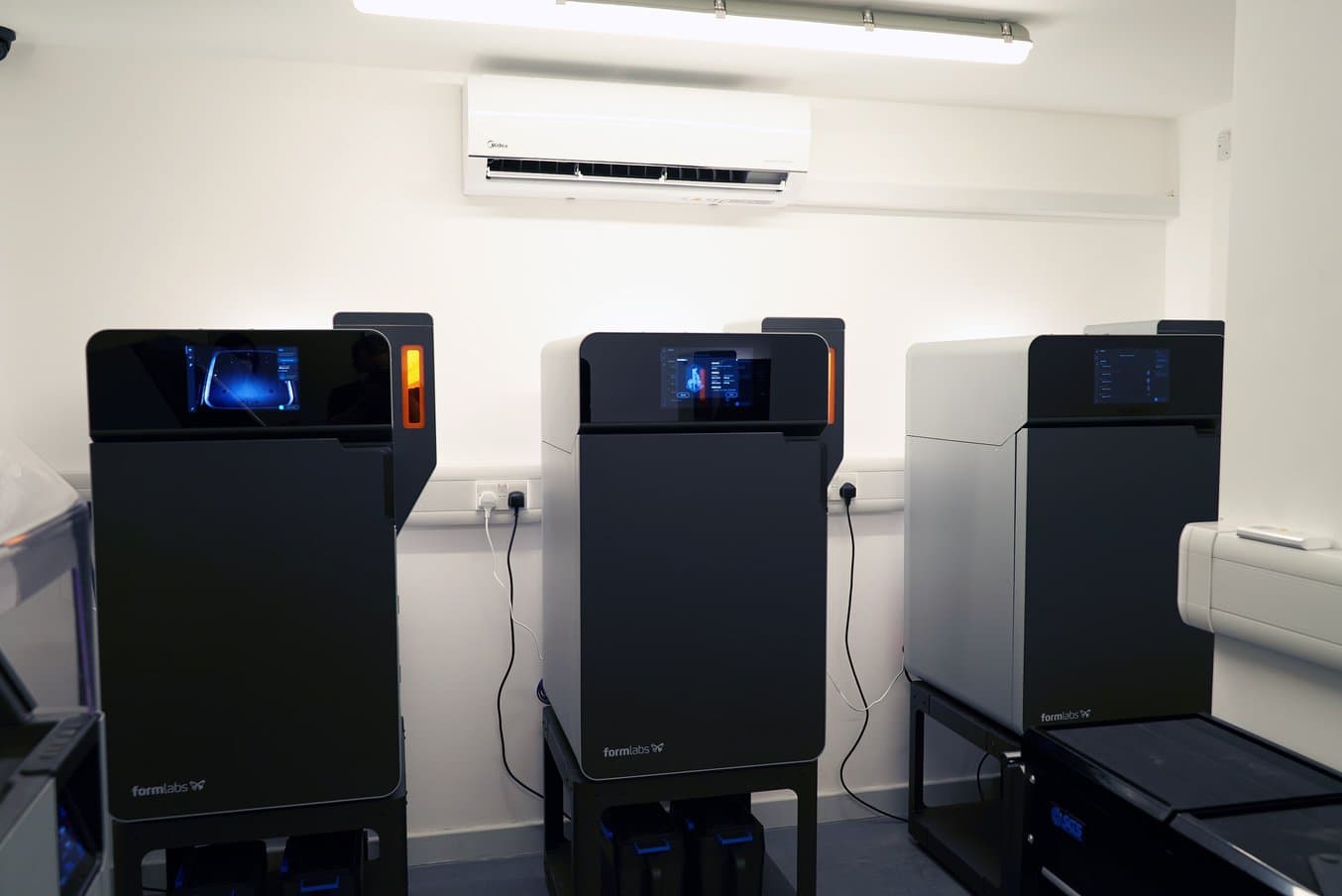
                Today, Barnicott runs a whole 3D printing department, including 14 large-format FDM printers, three Formlabs 3L large-format SLA printers, and five Fuse 1 SLS printers.

                “In terms of capacity, all those printers have run 100%, 24/7, pretty much since day one. We use these printers for all areas of our concepts and designs. Typically, we would use the Fuse 1s for our production-based parts and we would use our Form 3Ls for our concept-based parts,” said Barnicott.


                Manufacturing Complex Designs From Multiple Materials With the Form 3L


                “We use the Form 3L machines for anything that is an A-class finished surface. So typically in an automotive environment, and interior where you have parts that are not being trimmed with leather or Alcantara or some sort of cloth material. Formlabs materials give us a nice, smooth finish for our painters to work with, we can use these parts straight out the printer, straight onto a vehicle,” said Barnicott.

                “What interests me most about the Form 3L machines is their versatility, the ability to do a material change in less than five minutes and the variability of those materials going from a soft, flexible material to a hard and rigid material for us is priceless,” said Barnicott.


                The team uses the Form 3L’s with multiple materials for a wide array of applications, for example:


                Air Vents


                “It’s a common challenge for us as a business where customers will approach us with a proprietary product and want to encase it in their own design. Once, a customer approached us with a proprietary air vent from another vehicle that they wished to have inside their own interior. We used 3D scanning technology to reproduce this part digitally and then created an external skin. We first produced this in the Draft material to test out the design and allow the customer to verify it. From there, we moved to the White material to produce a production-ready part.”


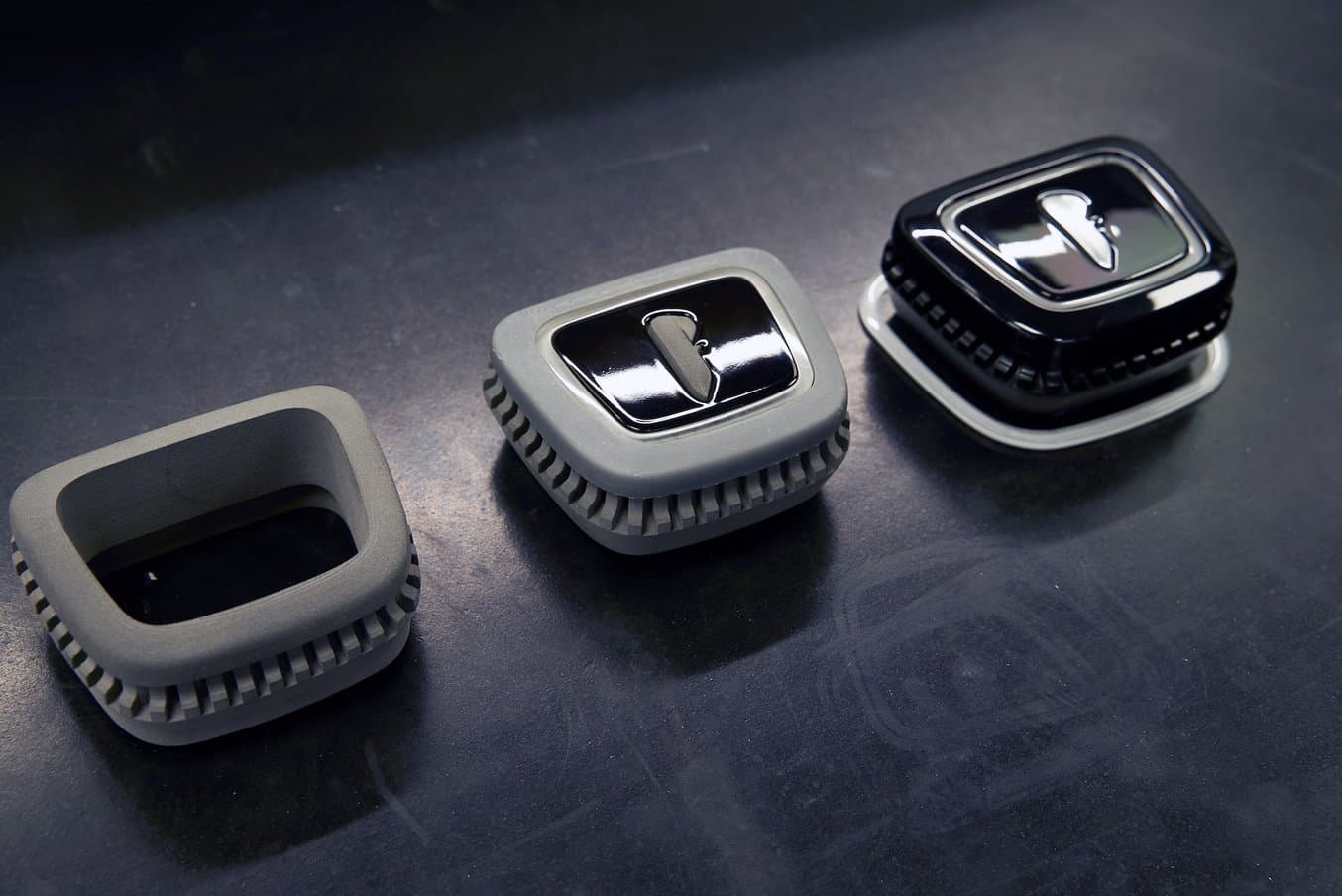
                Switch Packs


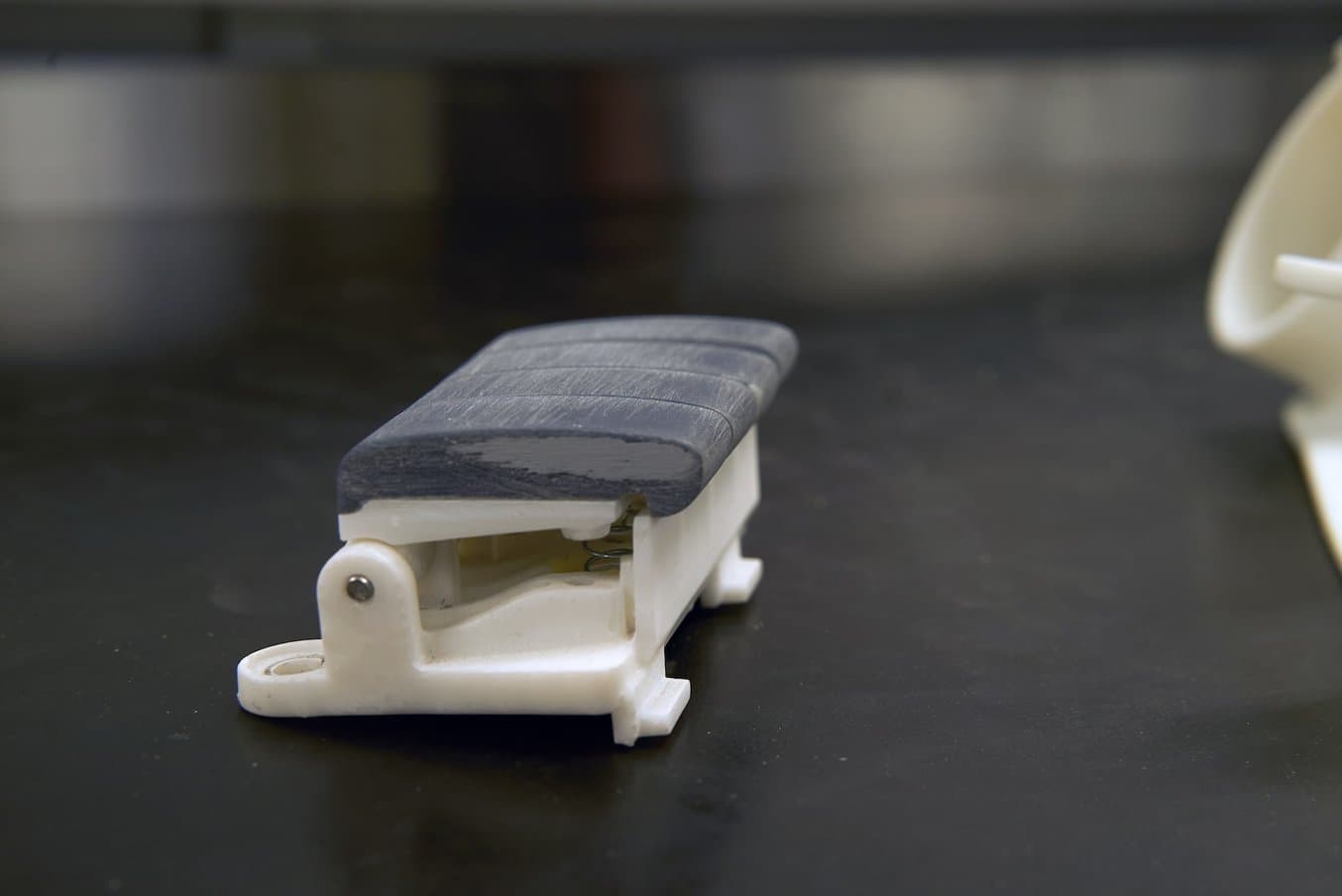
                “When working with incredibly intricate designs, such as small switch packs, what we’re able to do is use multiple materials to achieve a mechanical product that not only functions correctly but can be used in a real-world environment. [For these switch packs], we combined harder materials, such as the Tough 2000 for the top surface, with the lighter, more cost-effective materials for the internals.”


                Door Seals


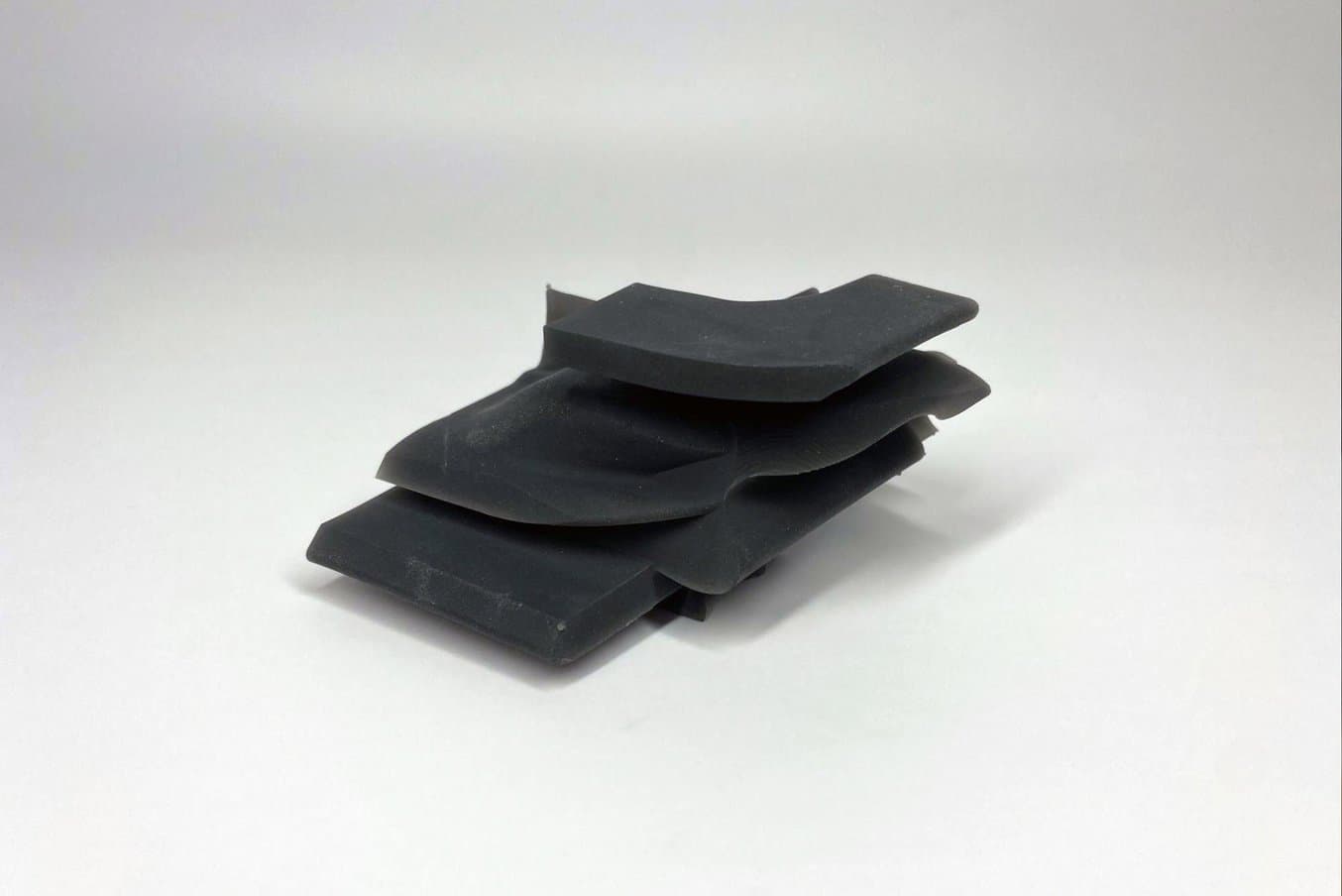
                “Typically, door seals for automotive applications can be incredibly costly to produce. there’s simply no other way other than extrusion molding to produce them. This comes at, not only a very large tooling cost but also a long lead time as well. We were able to experiment with one of Formlabs’ newest materials, the Flexible 80A. The Form 3L enabled us to produce sections of this door seal overnight to test various geometries and was printed within 50 microns of the actual design.”


                Having the Form 3L empowers the team to produce multiple iterations of parts in most cases within 24 hours. They ended up buying three different machines so they could produce up to three different iterations of a part at the same time, even using three different materials. They can then pass on the cost savings to the customer or offer more value by showcasing multiple design options for the same price.

                “One of the beauties of using additive manufacturing is the compression of a timeframe. So what do you do in that span of time that you have freed up? We sort of seeing it as extending the possibility space into imagining alternatives, into adding more iteration loops in the process,“ said Moradi.

                “There are many products we produce that we simply wouldn’t be able to without our Form 3Ls. With some of the most advanced manufacturing techniques, such as seven-axis CNC machining, we’d be able to produce these parts, but it would come at a huge compromising cost,” said Barnicott.


                Complementing CNC Machining for Mechanical Parts With the Fuse 1

                “The Fuse 1 one was our first venture into SLS technology. As a small business, this is a technology we thought we would never be able to have on-site. With the Fuse 1, not only do we have one of the machines, but we actually have five of the machines on the site. What these machines enable us to do is produce structural mechanical parts very quickly, not only for testing but for physical applications in most of our concepts. This process would have typically been done by CNC machining, either on our site or off-site, depending on the geometry, and we would have to wait two to four days to get the parts in our hands. The Fuse 1 enables us to cover all of this on-site and have parts in our hand in most instances, less than 24 hours,” said Barnicott.


                The team mainly uses the Fuse 1s for mechanical parts, such as door hinges, door handle inners, door internals, and structural applications. They can use these parts straight off the printer, with minimal finishing. Some of the applications where the team used the Fuse 1s include:


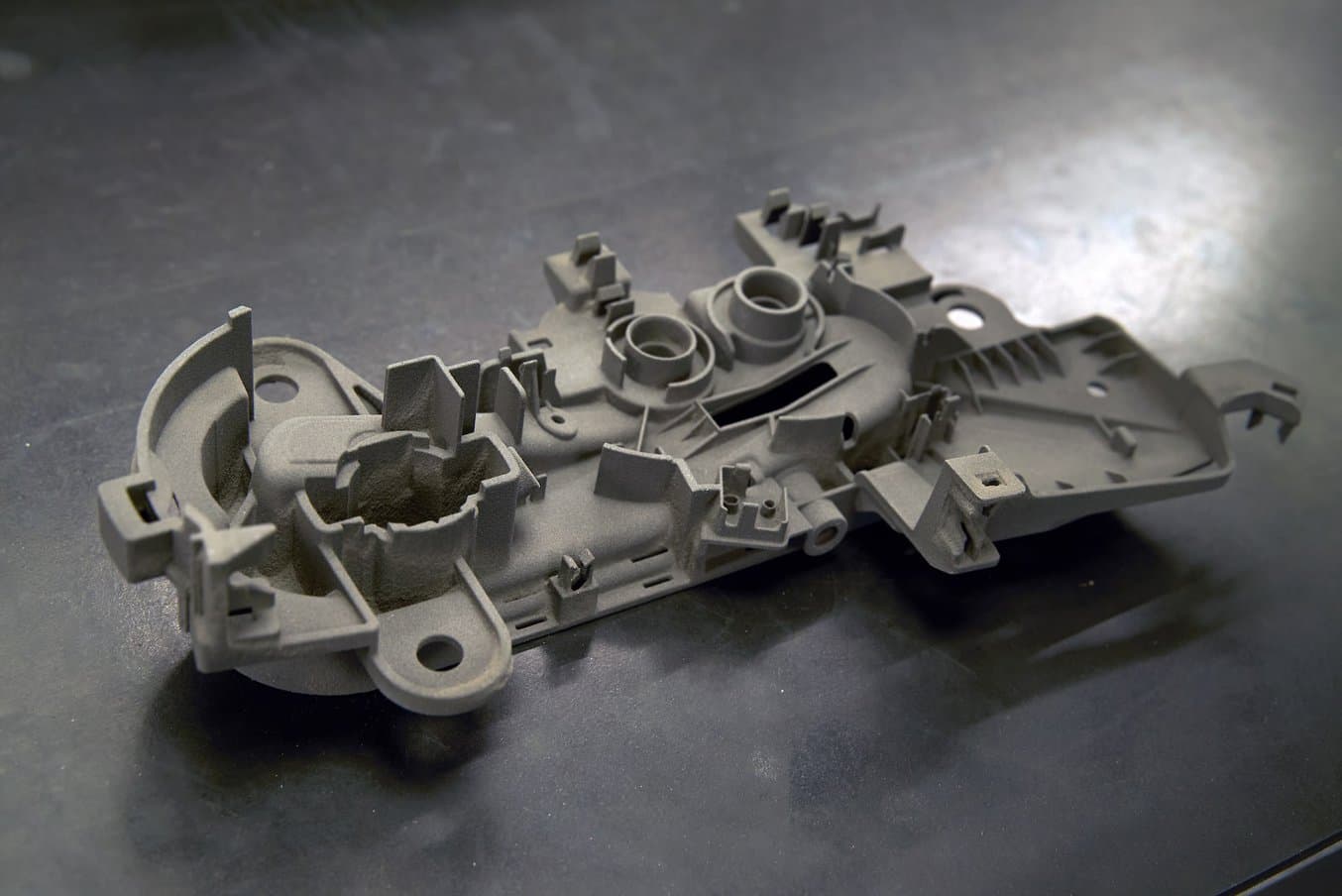
                Air Duct


                “A lot of automotive interior parts can be incredibly tricky to produce without going down the traditional injection molded route. Items such as internal air ducts and vents, items that are never seen, but yet require a large cost to produce. We use the Fuse 1 to produce these parts. It allows us to be much more versatile with the designs we put in the vehicle without incurring the large costs that they would typically have.”


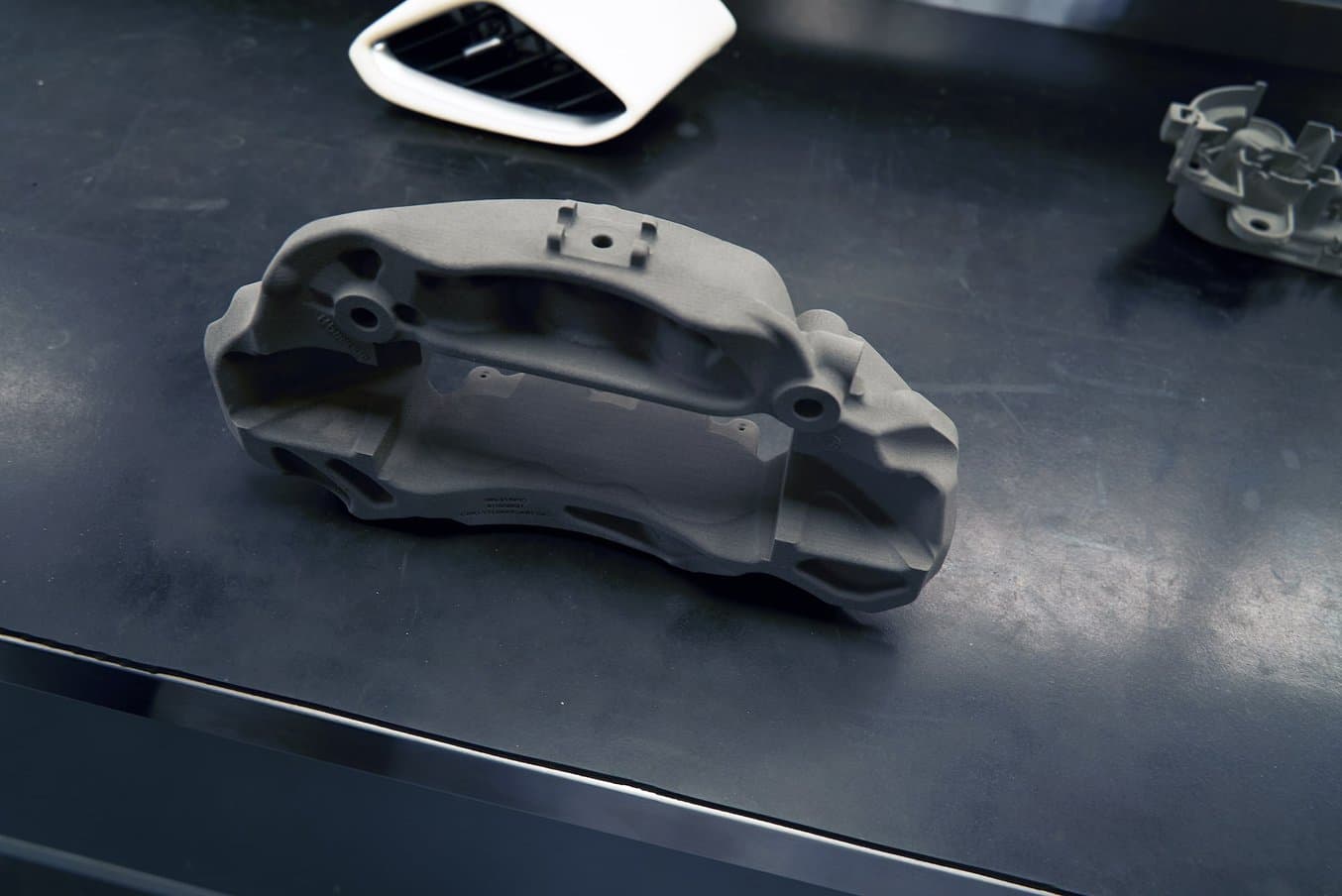
                Brake Caliper


                “Sometimes we produce parts whereby the customer simply wants to see what their brand will look like on a specific part. That means we have to produce a part rather quickly so we can apply their brand to it. We use the Fuse 1 to produce these parts, such as a brake caliper, and we can produce the logo in different areas of the caliper in different colors for the customer to review.”


                Interactive Concept for a Supercar


                3D printing has allowed us to combine both the SLA and SLS materials to work our way through design iterations on a specific project. This allows us to quickly produce multiple iterations, combining both processes, using them for their specific properties, to achieve a final design. This can be anything from mechanical parts to clear parts to check their optical quality and output.”


                While it’s often said that additive manufacturing is here to replace subtractive manufacturing, the Vital Auto team sees benefits in combining different technologies to leverage their best qualities.

                “We use the two processes together to help support each other. We have many parts where we would use subtractive manufacturing and then use additive manufacturing to produce all the finer details. This allows us to have a much more cost-effective way of producing a lot of our concept models,” said Barnicott.


                Creating High-Fidelity Concept Cars With 3D Printing


                “The progression in technology and 3D printing over the last 10 years is phenomenal. When I first started, producing low-volume, niche vehicles, some of the products that we produce today would simply have been inaccessible. And not only am I able to produce these parts today, but I’m also able to produce them very cost-effectively, very quickly,” said Barnicott.

                3D printing not only helps the team create better products faster but also attracts new business. They found that many of their customers turn to them because they want to have access to the latest technologies and they want to have their components made using the latest cutting-edge materials.

                “There are certain things that you just can’t class as emerging technologies anymore. 3D printing is one of those things. It’s advanced to a point where everything that we produce is good enough for use in the final presentation stage with all the layers of making that we apply on top of that. 3D printing has gone from almost a novelty to becoming an absolutely inseparable part of what we do,“ said Moradi.

                X_green_halo

                Any questions? Need help? Ask one of our experts.

                Whether you’re ready to get started or just have a few more questions, you can contact us toll-free:
                  Printing & Post Processing of Replica Models with Markforged

                  BLOG

                  Printing & Post Processing of Replica Models with Markforged

                  [techtips_featured_image_shortcode]

                  By Gregory Bejtlich – Application Specialist at SolidXperts

                  Despite the many advances in 3D printing technology, additive manufacturing continues to be a monochromatic industry. Conventional FFF (FDM) and SLA printers are limited to printing one color at a time, but what do you do when you need more? Adding a splash of color to your model improves aesthetics and highlights key details through the pre-production phases.

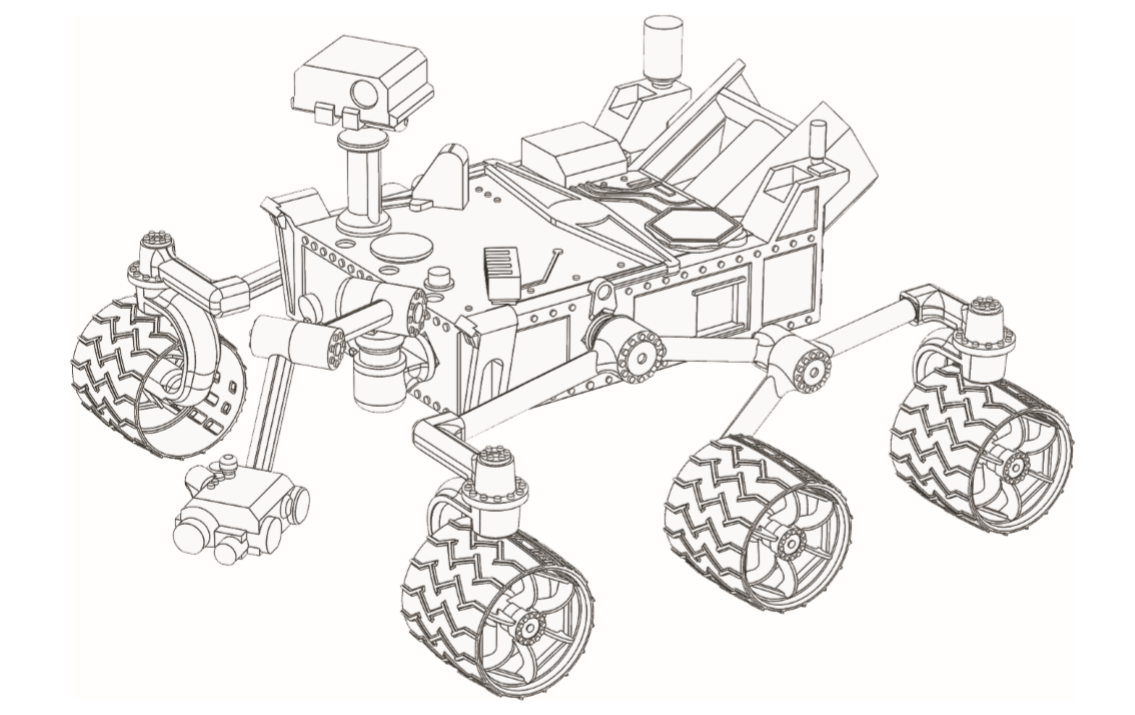
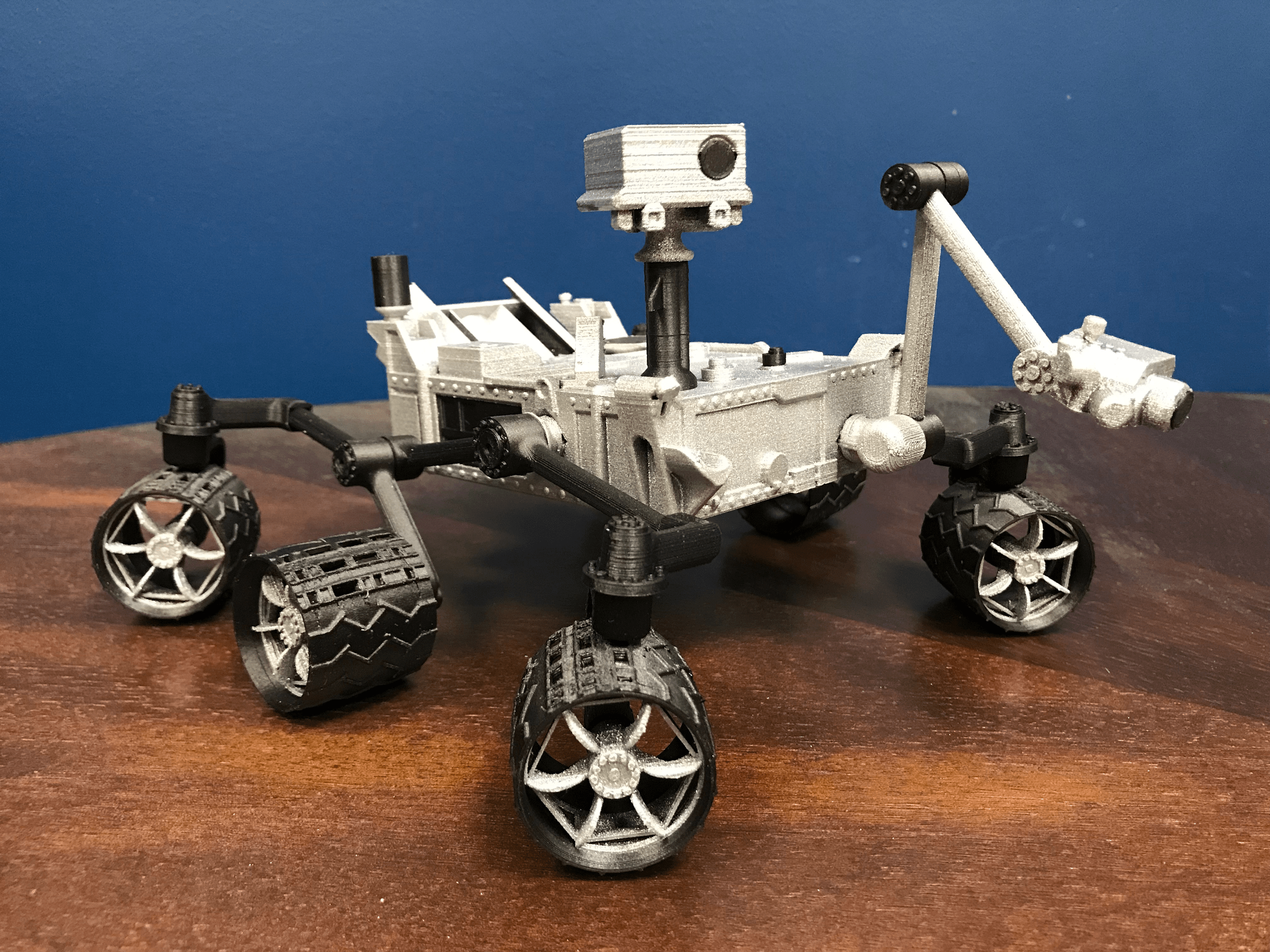
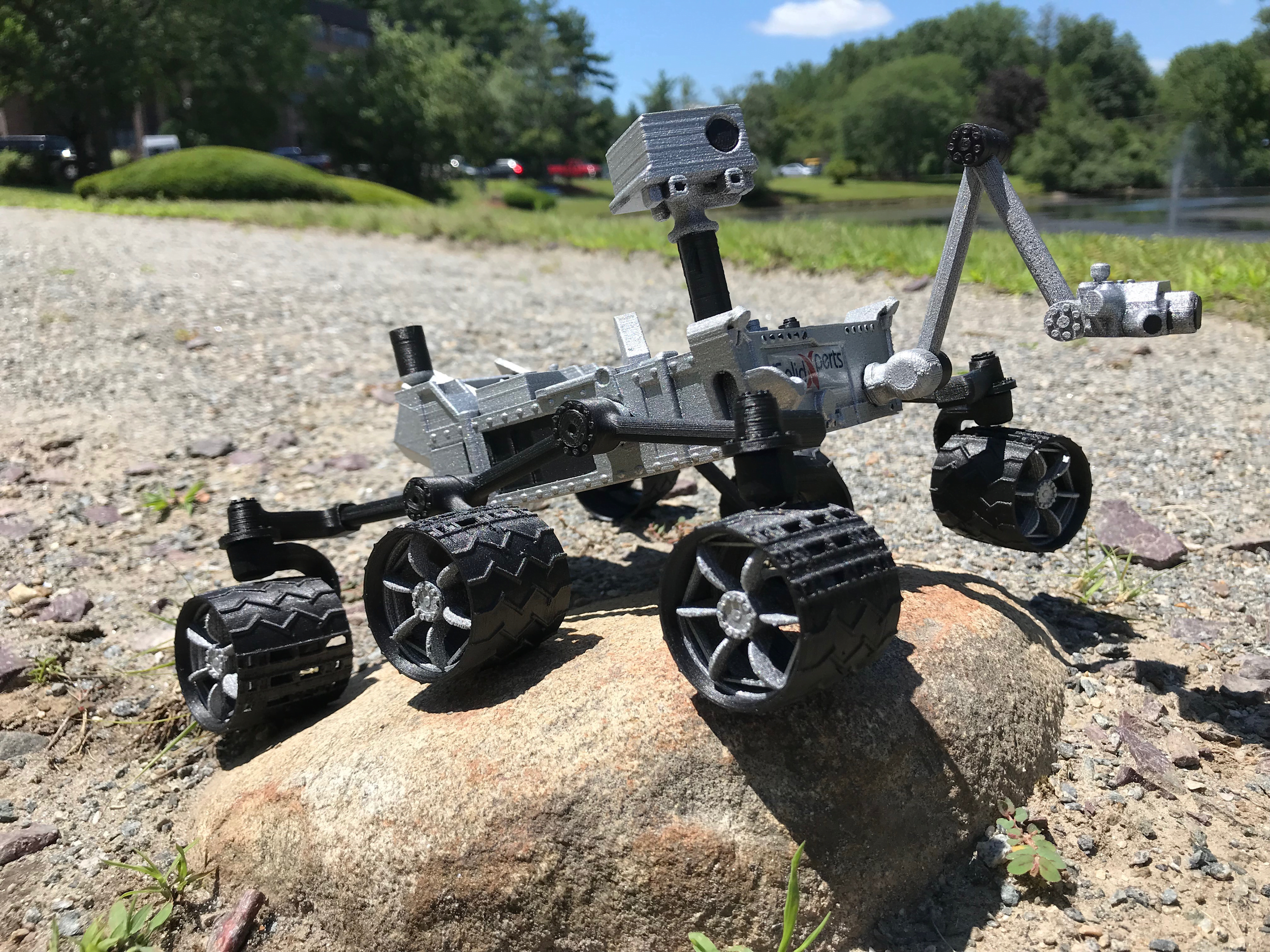
                  Today we are looking at the printing and post-processing of a Mars Rover replica. Since 2014 NASA has been releasing 3D models to their public database, including files optimized for 3D printing. Some of our favorites include the 1:200 scale SOFIA, also known as the “black-hole hunting” Boeing 747SP, and the conceptual Titan Submarine tasked with exploring the methane seas of Saturn’s largest moon.

                  Despite these interesting models, our favorite must be the Mars Curiosity Rover. Launched in 2012, the Curiosity Rover has been researching the Gale crater in search of microbial life and water. The 3D models are free from NASA and can be found on their “3D Resources Page”.

                  Download the files here

                  Detailed Curiosity Model (Large) – Build Instructions

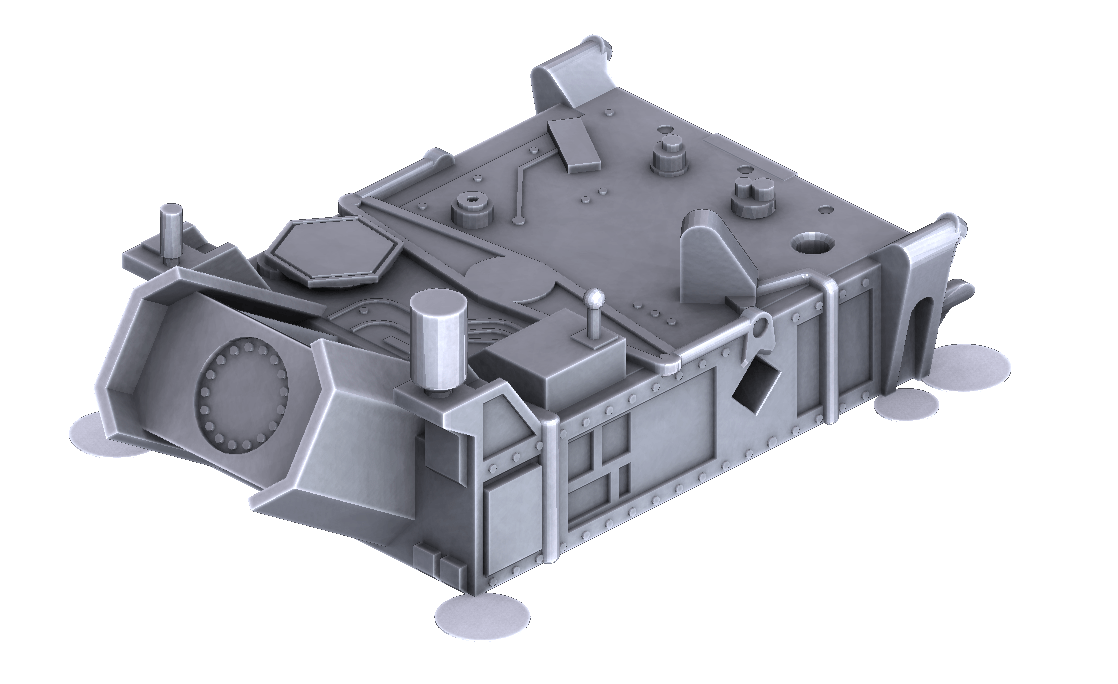
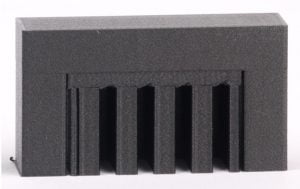
                  The file set includes twenty-one unique components and four pre-nested files for your printing convenience. The models are designed for FFF printing and include “support free” features, e.g. diamond/arched cutouts angles less than 45°, and pre-oriented parts.

                  Curiosity Rover Body (no support needed!)

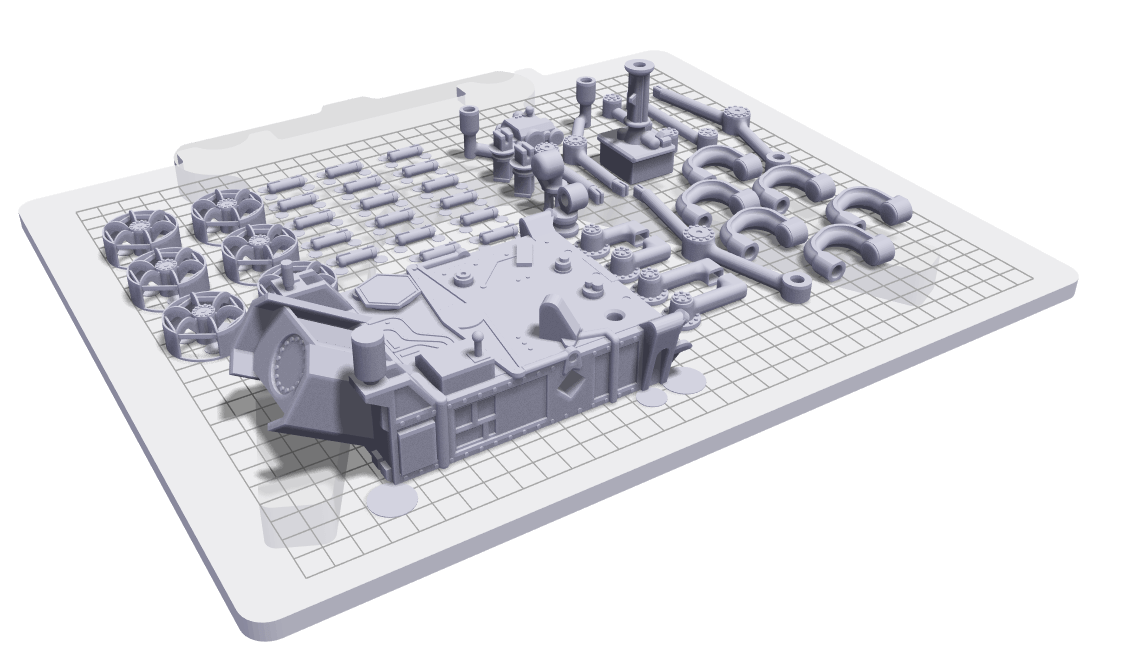
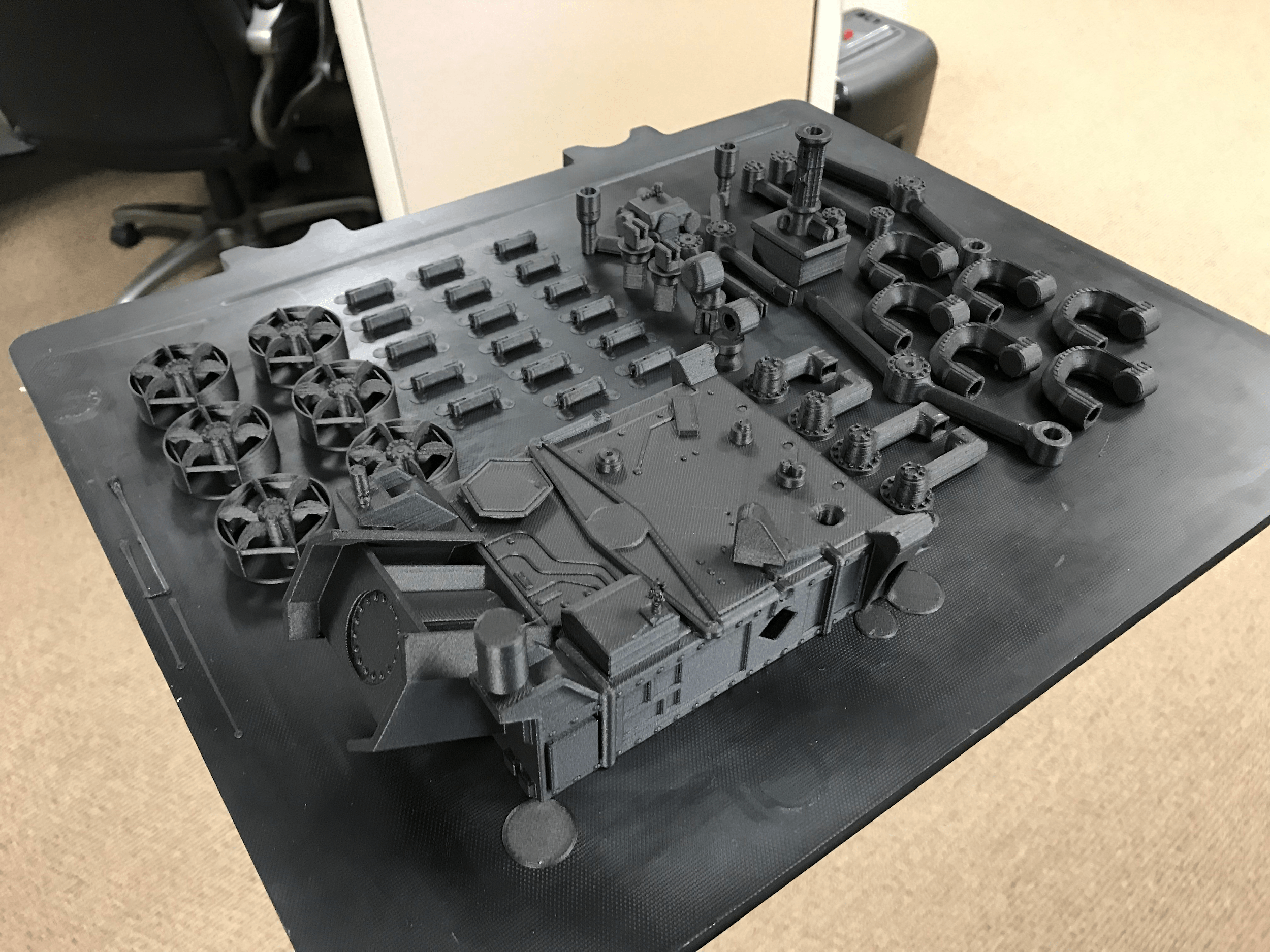
                  Our go-to printers for the rover replica were the Markforged Mark Two and the Industrial X7. Note: The 200 µm resolution and filament used for this print can also be accomplished with the base series Onyx One. The flagship material for Markforged printers is a nylon-carbon fiber blend called Onyx, which is known for its rigidity, matte black appearance, and strong chemical resistance. To make this print more manageable, we fit as many parts as possible on the X7’s massive build plate and fine-tuned the settings. The default Eiger settings work best, but the resolution was reduced to 200 microns for a faster print. In total, the “time to part” was 39 hours with a cost of $58.36.

                  Eiger X7 Buildplate

                  Build Volume: 12.9in x 10.63in x 7.87in

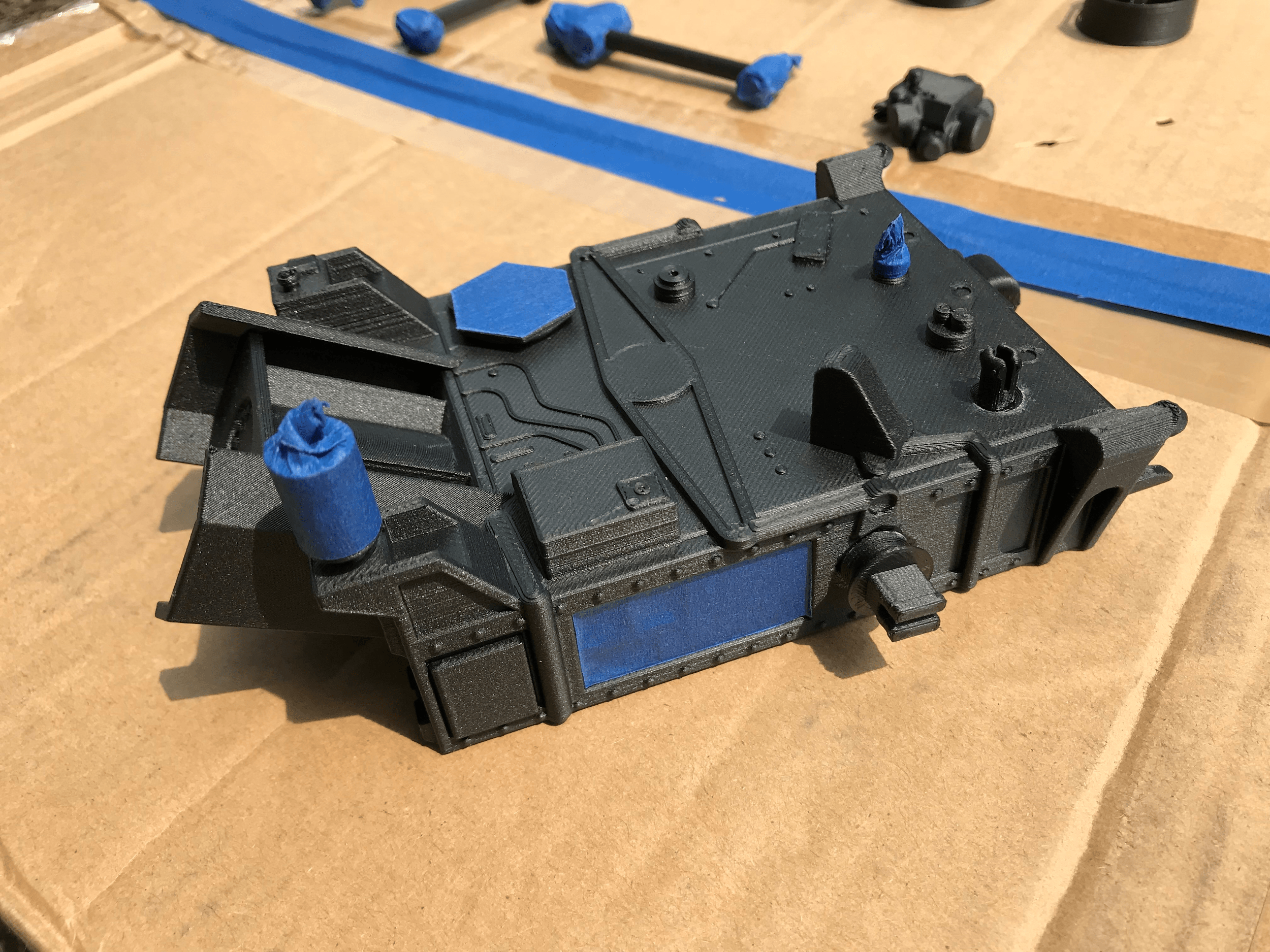
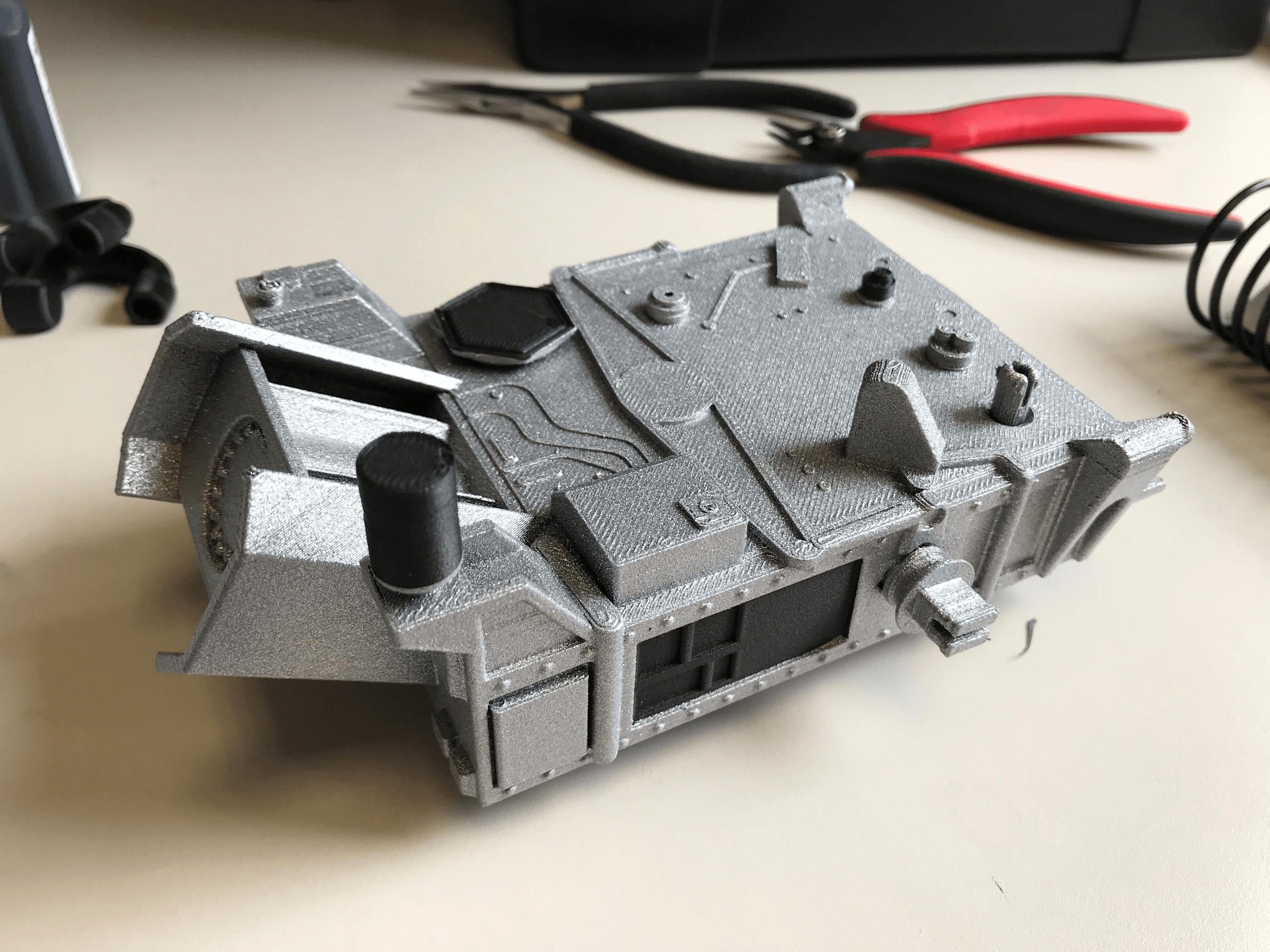
                  What made these models ideal for additive manufacturing? Minimizing the amount of support material necessary keeps the surfaces smooth and requires minimal cleanup. Strings and excess material were removed with a fine point blade, and rough surfaces were given a light 220-grit sanding. While the 200 µm layer height prints more quickly than the higher resolution layers, the striations become more apparent on angled and domed surfaces which can be filled with filler or primer as necessary. Geometry with greater curvature should be printed at a much smaller layer height (50-125 µm).

                  Assembly and disassembly before painting are recommended as part interference or further clean-up may be required. Blue painter’s tape can be used to mask off a specific section or features retaining the black appearance underneath. Since Onyx is carbon black, a base layer of plastic primer is a must! Paint will adhere to the primer and will enhance lighter colors on the black surface. Our choice of paint is Krylon Fusion All-In-One which has both primer and paint and adheres well to Onyx. If the part will be subjected to harsh outdoors, a satin or glossy clear coat can help protect the finish.

                  After drying in a well-ventilated area, carefully remove your masking tape and begin assembly. Many of the dowel pins included have a retaining lip and rotate freely. Other components such as the mounting bracket should be anchored with super glue. In general, gel super glue performs better than liquid as it fills gaps and has a longer set time. Markforged recommends Loctite 4861, but we’ve had success with many brands of gel super glue.

                  Tip: If you desire further detail in your model, skip the spray paint and color the bolts and wiring with a fine-tip paint brush or paint pen.


                  Finally, enjoy your print and take some photos!

                  SolidXperts offers you the solutions to meet your needs and help you in all your daily challenges. For more information about Markforged 3D printers, contact us.

                  X_green_halo

                  Any questions? Need help? Ask one of our experts.

                  Whether you’re ready to get started or just have a few more questions, you can contact us toll-free:
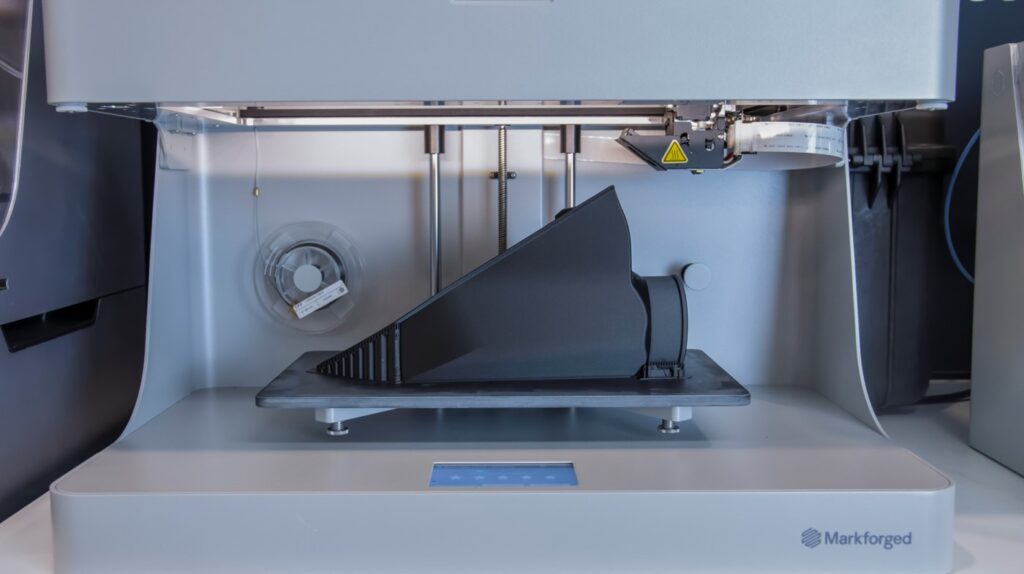
                    7 Essential Markforged Composite Features

                    BLOG

                    7 Essential Markforged Composite Features

                    [techtips_featured_image_shortcode]

                    written by Steven Murphy – Certified SOLIDWORKS Expert (CSWE)

                    Markforged transformed the 3D printing industry back in 2013 with the ability to create functional industrial parts. While this 3D printing powerhouse innovates with metal 3D printing, we want to take a moment to recognize the powerful features offered by the composite printers that keep them at the top of the FDM world. Here are our top seven Markforged composite features:


                    1. Fiber

                    This is the go-to innovation for the Markforged printers – the ability to print with Continuous Fiber Filament (CFF) using Fiberglass, Kevlar, and everyone’s favorite, Carbon Fiber.

                    Impact:

                    3D printed parts 8x stronger than ABS with comparable traits to 6061 Aluminum unlocks design possibilities. Lighter parts with low cost and fast production can be a valuable proposition for many manufacturers. This feature single-handedly allows 3D printing to be a comprehensive solution rather than a prototyping tool.


                    2. Expand Thin Features

                    What exactly does “Expanding Thin Features” do? Enabling this feature will thicken your part geometry to meet the minimum wall thickness requirements of the printer. It will automatically take any layer that is too thin to print and  adapt it to meet the minimum requirements. Easily overlooked as it only takes one click to activate, you can see the part salvaged in the slice views below!

                    Impact:

                    This feature really excels at taking parts not designed for additive manufacturing and adjusting their geometry to be 3D-pintable. You need to be careful when using this feature as changing the geometry does not maintain the dimensional accuracy of the original CAD model. The major upside is that the majority of legacy parts can be printed on Markforged printers without any major redesign. This level of automation and intelligence is a huge jump in innovation in an otherwise stale industry.


                    3. Pause & Remove the Print Bed

                    The print bed itself is fastened by three neodymium magnets, allowing the user to remove the build plate during any layer. This also means that you can replace the print bed and continue the print from where you left off. This process has a repeatability of 10 microns,  meaning there are no issues in continuing the print from the new position.

                    Impact:

                    Being able to pause and remove the print bed opens up many design options such as embedding hardware or enclosing secondary parts (eg. LED, magnets, or RFID). The repeatability and consistency of the print bed enables many tricks and are well documented in the Markforged blogs.


                    4. Adaptive Bed Leveling (X7)

                    The X7 Industrial printer utilizes a built-in laser micrometer to create a contour map of the print bed with 1µm accuracy. While it will alert you to the bed not being leveled correctly, more importantly, the printer will dynamically adjust the extrusion of the first layer to increase the consistency of your print.

                    Impact:

                    The application of the laser measuring system eliminates many of the bed leveling issues that occur with standard FDM style printers. Not only are the parts flatter than traditional FDM printers, but the initial compensation means significantly fewer failed prints.


                    Bonus: Blacksmith

                    Check out the Blacksmith AI that takes advantage of the same laser micrometer to adjust the physical part based off of inspection results. The end result is a tight feedback loop that makes extremely accurate parts that become more accurate over time.


                    5. Turbo Print & Turbo Supports [BETA Features]

                    The Turbo BETA features allow for support and infill to be printed at twice the layer height of the print. By taking advantage of the support structure, Markforged has increased opportunities to save time and material on your prints.

                    Impact:

                    The turbo features allow for faster print times and reduces material. Fundamentally, it shows that Markforged is committed to improving and implementing solutions. They are willing to continuously improve their product, and will continue to add BETA features.


                    6. Eiger Dashboard

                    With a versatile cloud based software, there many metrics tracked for your convenience. The Eiger Dashboard allows for both management and users to track printer statistics such author and material usage.  Not only does the portal include integrated graphics, but the data is also available as a CSV.

                    Impact:

                    In traditional manufacturing, material and time management are a huge part of resource management. Using Eiger, it is incredibly easily track material usage, up-time, and other valuable metadata to make your operation more efficient.


                    7. Eiger Internal View

                    With the Eiger “slicer”, users can view the internal features of your part in both 2D and 3D. These views also include the thermoplastic structure, infill, use of fiber, and removable supports. Additionally, the slicing view includes a live slider, which reflects print time and material usage by layer. The best feature when using the internal view is the ability to add and adjust fiber layers (blue sections).

                    Impact:

                    When enabling fiber usage in Eiger, the standard automation of fiber reinforcement does an exceptional job. However, the ability to control fiber layer placement gives you, the user,  the option to add strength to the part without overcompensating with fiber or increasing unnecessary part cost. With clever orientation and fiber layouts, you can create very strong, yet cheap parts! Need bolt holes strengthened to resist shear stress? No problem! Want to take advantage of beam bending theory to reduce cost? Takes only a few clicks. This adaptability and maneuverability in the internal view make this one of the highest impacts features with the Markforged printers.

                    Try Eiger for free! 


                    Conclusions:

                    So there you have it – The key features Markforged composite printers have to offer. Even though FDM style printing is a known quantity, Markforged has managed to innovate on key features that keep the technology fresh.


                    For more information, contact an Xpert today!

                    X_green_halo

                    Any questions? Need help? Ask one of our experts.

                    Whether you’re ready to get started or just have a few more questions, you can contact us toll-free:
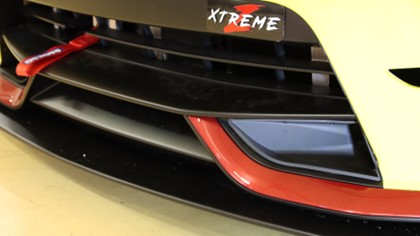
                        Download

                          Download

                            Download